
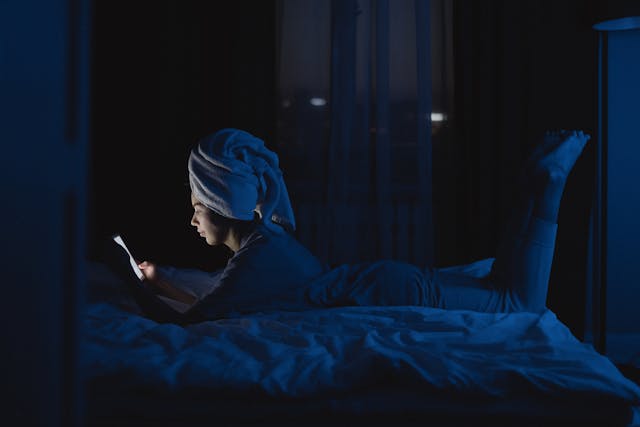
Evening hours often bring the highest energy use inside a typical household. People return from work, prepare dinner, turn on lights, and spend time online. Electricity demand rises quickly during this part of the day.
Energy-efficient homes change that pattern. Thick insulation slows the loss of indoor heat. Airtight construction eliminates drafts, keeping warm air inside and ensuring comfort. Efficient ventilation brings in fresh air without wasting energy, allowing residents to enjoy cozy evenings with less need for heating.
Surprisingly, the hours between dinner and bedtime can greatly influence overall electricity consumption.
A Low-Impact Transition from Day to Night
When someone arrives home from work, the evening routine kicks in. You might notice that the indoor temperature stays nice and cozy after sunset, all thanks to the way the building is designed to hold onto warmth. This means the heating systems don’t have to work overtime in the evenings.
Plus, the fresh air really helps to make things feel comfortable inside. Some households open a window for a few minutes to refresh the air before settling in for the night.
Passive homes often include mechanical ventilation systems that continuously replace indoor air while using very little electricity.
Natural daylight also extends further into the evening in well-designed homes. Large windows in low-carbon homes let in ample natural light, allowing residents to hold off on turning on lights until nightfall. This simple habit helps save electricity each evening.
Cooking with Efficiency in Mind
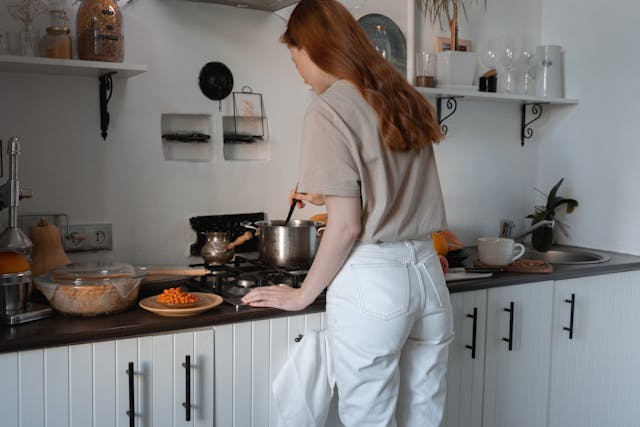
Dinner preparation often creates the largest spike in household energy use.
Modern appliances can help reduce that demand. Induction cooktops transfer heat directly to the cookware rather than heating the surrounding air. Water boils quickly, and cooking times shorten. Covered pots and pressure cookers hold heat inside the vessel and reduce wasted energy.
Some households cook larger portions at once. Extra servings stored in the refrigerator provide meals for several days. Fewer cooking sessions during the week reduce appliance use.
Ovens usually use more electricity than stovetop burners. Because of this, many people tend to save their ovens for big meals and prefer cooking everyday dinners on the stovetop or in smaller appliances like rice cookers.
Digital Entertainment with Moderation
Screens often become part of the evening routine. Watching television through streaming services for extended periods raises electricity consumption, both from our home devices and the data centers that manage all that content.
Some residents prefer shorter digital activities. Casual puzzles or simple browser games provide quick breaks without hours of screen time. During those short moments, some users choose to play slots anonymously online before returning to offline activities.
Short sessions keep entertainment simple and energy use lower.
Lighting That Supports Comfort
Lighting strongly shapes the evening atmosphere inside the home.
Most energy-efficient houses use LED bulbs. These lights consume far less electricity than older incandescent bulbs while producing bright and comfortable illumination. Warm light tones often create a relaxed environment in the evening.
Many households rely on smaller light sources instead of bright ceiling fixtures. A lamp beside a sofa can provide enough light for reading or conversation. Kitchens often use task lighting above work surfaces rather than lighting the entire room.
Light-colored walls and reflective surfaces help spread light across the room, which allows fewer fixtures to deliver the same brightness.
Preparing the House for the Night
As the evening comes to a close, families often turn off lights in unused rooms, unplug chargers, and use smart plugs to save energy. They also adjust thermostats to ensure everyone stays comfy through the night.
When evening habits support the design of an energy-efficient home, comfort remains high while electricity demand stays under control.