Resource efficiency is rarely tested in tougher conditions than the Arctic and Antarctic, where every kilogram of material, fuel and water carried into the field has to be accounted for. That is the starting point for a new Turkish publication linking polar science with zero waste principles, released as Türkiye deepens its climate diplomacy in London ahead of hosting COP31.
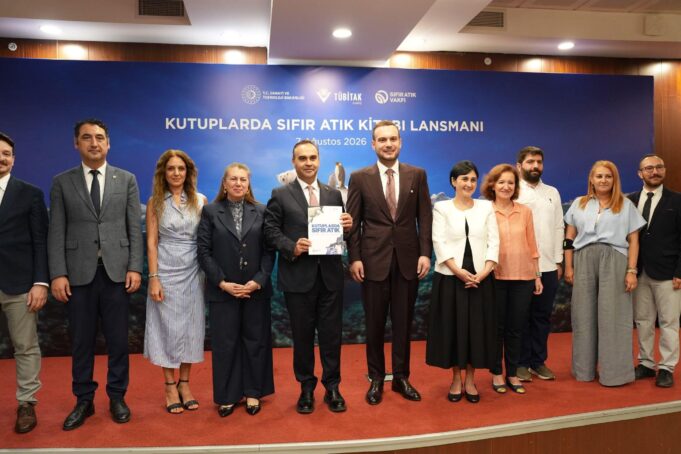
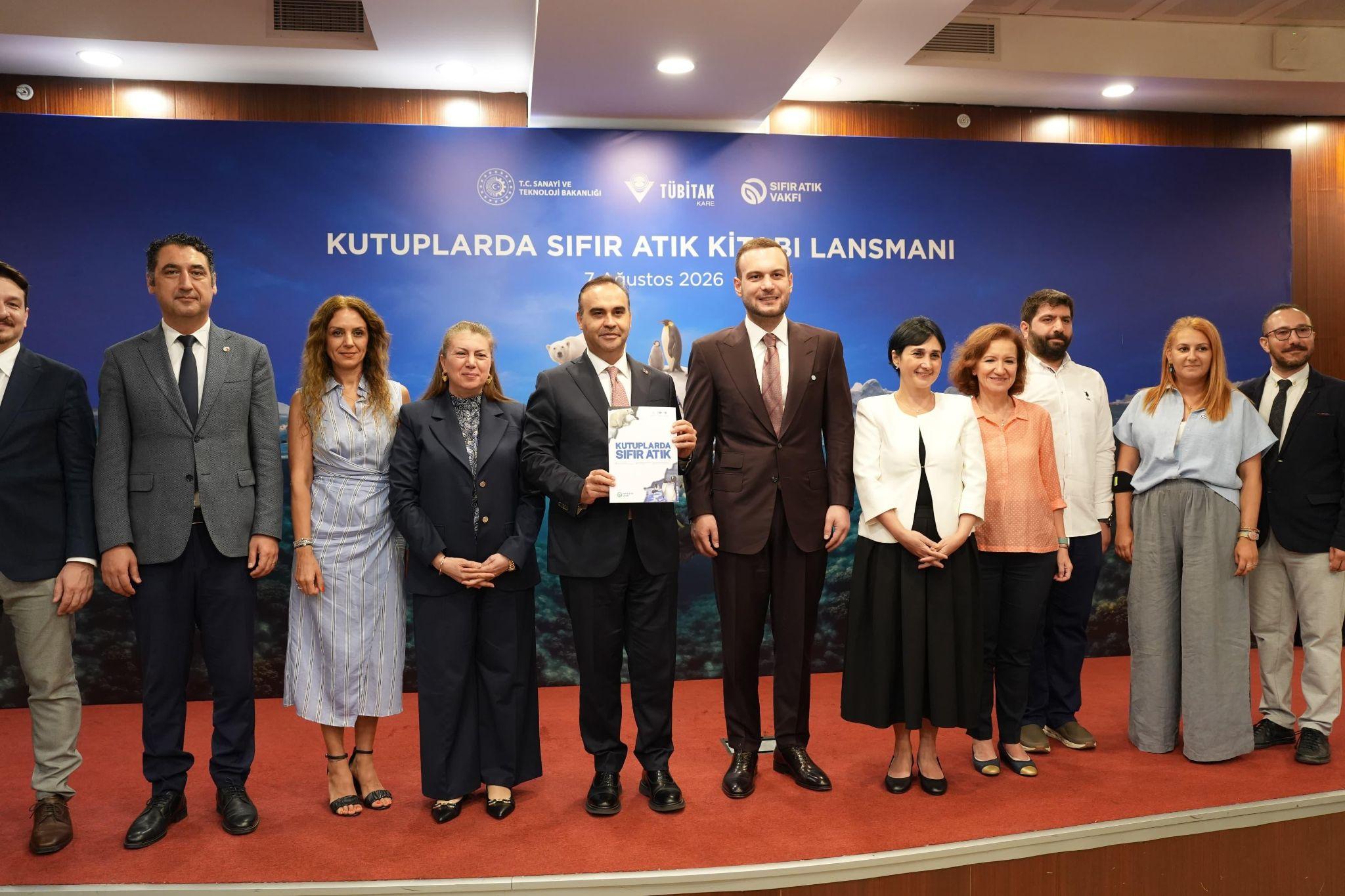
The Zero Waste Foundation has spent August advancing two initiatives that connect scientific research with circular economy thinking on an international stage. On 7 August, it launched the book “Zero Waste in the Polar Regions”, produced with the Polar Research Institute of TÜBİTAK, the Scientific and Technological Research Council of Türkiye. Ten days later, the Foundation signed a cooperation protocol with London Climate Action Week (LCAW) covering climate action, zero waste and the circular economy.
Extreme environments as a proving ground for resource efficiency
The book examines climate change, environmental pollution and zero waste practice in the Arctic and Antarctic, drawing on scientific data gathered during Turkish polar expeditions. It brings together 18 articles written by scientists who have carried out polar fieldwork, covering the scientific, technical, administrative and communication dimensions of applying zero waste principles in remote research settings.
For a sustainability audience, the more significant contribution may be its scope beyond waste collection itself. The publication looks at how scientific expeditions are planned, how materials and resources are sourced and used, and how energy, water and logistics are managed throughout a research mission. The underlying emphasis is on preventing waste before it is generated and reducing the environmental footprint of the activity as a whole, rather than managing waste once it already exists. That framing mirrors the priorities of circular economy practice in built environments, where designing out waste at the planning stage is treated as more valuable than managing it after construction or use.
The book also positions the polar regions as indicators of global climate change, arguing that environmental shifts observed there carry consequences well beyond the Arctic and Antarctic themselves. That argument is what gives a niche, geographically remote study broader relevance to organisations working on resource efficiency and emissions reduction elsewhere.
Mehmet Fatih Kacır, Minister of Industry and Technology of Türkiye, described the book as the point where two national initiatives launched in the same year converge. “The Zero Waste initiative launched under the leadership of H.E. Emine Erdoğan has grown step by step from a national initiative into a global one,” he said, before setting out how Turkish polar science developed alongside it. “At the same time, we began organising scientific expeditions to Antarctica and the Arctic under the auspices of the President of the Republic of Türkiye, enabling Turkish scientists to strengthen the country’s presence in polar research. Through this book, these two initiatives have come together.”
The study also reflects the broader zero waste vision associated with H.E. Emine Erdoğan, who founded the Zero Waste Movement, chairs the UN High-Level Advisory Board on Zero Waste and serves as Honorary President of the Zero Waste Foundation.
A formal link to London’s climate action network
The second development gives Türkiye’s zero waste and circular economy work a direct institutional channel into London’s climate diplomacy infrastructure. The cooperation protocol signed on 17 August establishes a formal partnership between the Zero Waste Foundation and London Climate Action Week, intended to strengthen knowledge exchange, joint initiatives and international dialogue on zero waste and the circular economy.
The agreement was signed by Samed Ağırbaş, President of the Zero Waste Foundation and COP31 High-Level Climate Champion, and Nick Henry, Founder and CEO of Climate Action. Ağırbaş framed the protocol as the basis for practical joint work rather than a symbolic gesture. “After this cooperation protocol, I hope we will carry out strong work and organize joint events at COP31 and London Climate Action Week,” he said.
London Climate Action Week convenes participants from government, cities, business, finance, academia, civil society and local communities, making it one of the more institutionally diverse climate platforms operating outside the formal COP process. By securing a protocol with that network, the Zero Waste Foundation gains a route to embed resource efficiency and circular economy approaches into discussions that extend well beyond waste management specialists.
Why COP31 sharpens the stakes
Both developments sit against the backdrop of Türkiye’s preparation to host COP31, which gives the cooperation added diplomatic weight even though the immediate work is practical rather than ceremonial. The polar research book demonstrates a domestic model of applying zero waste thinking to scientific operations, while the LCAW protocol extends that model into an international network ahead of the conference.
Taken together, the two initiatives illustrate an approach that treats zero waste as inseparable from resource efficiency and circular economy planning, rather than reducing it to recycling or downstream waste handling. For organisations working on low carbon buildings and infrastructure, the polar research offers a useful reference point: even in one of the most logistically constrained environments on the planet, planning materials, energy and water use from the outset can measurably cut the environmental footprint of an operation.
Whether that thinking translates into concrete joint programming at COP31 or future London Climate Action Week events remains to be seen. For now, the Foundation’s focus is on establishing the institutional and evidentiary groundwork, a scientific publication on one side and a formal partnership on the other, that connects Turkish zero waste practice to the wider international climate action conversation centred on London.