Stairs get treated as an afterthought in most builds. That’s a mistake. Bespoke stairs shape how a space feels, how light moves through it, and how people actually experience moving between floors — and a custom-designed staircase does all of that on its own terms rather than working around the limitations of a standard catalogue option.
Here’s what’s worth understanding before you go down that route.
What Bespoke Actually Means in Practice
A bespoke staircase is designed and built for one specific space. Not adapted, not modified — designed from scratch around the exact dimensions, structural conditions, and aesthetic intent of a single project.
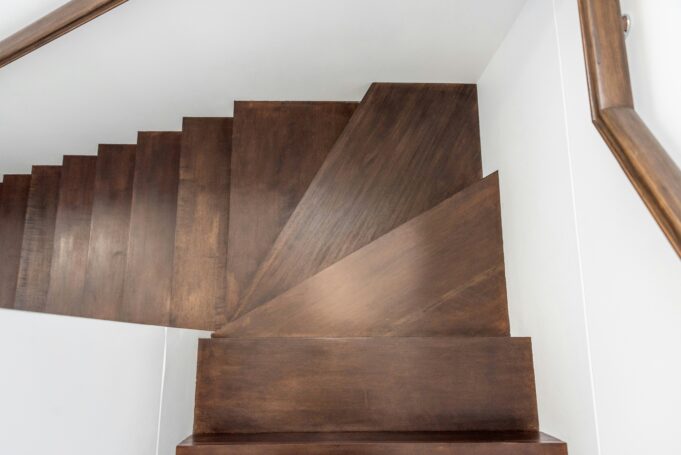
The forms vary considerably: straight or floating designs, spiral or helical configurations, L-shaped or U-shaped layouts, hybrid structures combining timber, glass, and steel. Because every element is custom-made, the design freedom is genuine — but so is the responsibility to get the brief right before fabrication starts.
The Factors That Shape the Design
Space comes first. Building regulations govern rise, run, headroom, and pitch — these aren’t negotiable, and in older or compact properties, irregular layouts often make standard solutions unworkable before aesthetics enter the conversation at all. A narrow townhouse might call for a compact spiral design. An open-plan home can support something wider and more sculptural.
Material selection follows. Timber is warm, versatile, and suits both traditional and contemporary interiors. Steel offers high structural strength in slim profiles — the go-to for modern or industrial settings. Glass in balustrades creates openness and allows light to pass through rather than being blocked. Stone and concrete bring durability and visual weight, often used in higher-end architectural projects. Most bespoke staircases combine at least two of these, balancing aesthetics, cost, and structural requirements within the same design.
Design intent matters just as much as function. Minimalist floating steps for contemporary interiors. Traditional carved balustrades in period properties. Sculptural statement staircases in open atriums. Hidden storage integrated within the stair structure. The staircase needs to speak the same architectural language as the rest of the building — otherwise it stands out for the wrong reasons.
Safety and compliance sit underneath all of it. UK building regulations cover maximum and minimum rise and going dimensions, handrail height and strength, balustrade spacing to prevent fall hazards, slip resistance, and lighting. Bespoke designs must meet all of these without compromising the overall aesthetic. That tension is real and requires experience to resolve well.
The Genuine Benefits
Tailored fit is the obvious one — a staircase designed to the exact dimensions of a space handles challenging layouts and unusual architectural features that standard solutions simply can’t accommodate.
Design flexibility goes further than most people expect. Tread depth, railing style, finish, material combinations, integration with flooring and upper levels — every detail is a decision, which means the result genuinely reflects the property rather than defaulting to a generic solution.
Property value is harder to quantify but consistently reported. A well-executed staircase becomes a central design feature that elevates the wider interior. Estate agents notice. Buyers notice.
Practical improvements are often underrated too. Integrated under-stair storage, better traffic flow in open-plan layouts, improved use of vertical space in compact homes — these aren’t decorative considerations. They change how the space actually functions day to day.
The Challenges: Worth Being Honest About
Cost is higher than standard. Always. A simple bespoke timber staircase sits at a different price point than a complex glass and steel feature staircase, but both cost more than an off-the-shelf equivalent. Material selection, design complexity, structural engineering requirements, and installation difficulty all feed into the final number.
Lead times are longer. Detailed design, engineering approval, skilled fabrication — add several weeks to the project timeline at minimum, sometimes months for complex designs. Planning around this matters.
Coordination demands are real. The more ambitious the design, the more trades are involved — architects, engineers, specialist joiners or metalworkers, installers. Misalignment at any stage leads to costly revisions. Clear communication and a single point of accountability help considerably.
Where Design Trends Are Heading
Floating staircases — where treads appear unsupported — remain the dominant contemporary preference. They require careful structural engineering to achieve the visual effect safely, but demand hasn’t slowed.
Mixed materials are standard practice now rather than a design statement. Oak, blackened steel, and glass in the same structure allows designers to balance warmth, strength, and transparency without committing entirely to one material’s limitations.
Minimalist aesthetics continue to drive specification decisions: clean lines, hidden fixings, reduced visual clutter. This aligns with broader interior architecture trends rather than being specific to staircases.
Sustainability is moving up the priority list too. Responsibly sourced timber, recyclable metals, long-lasting construction methods that reduce replacement frequency over time — these are increasingly baseline expectations rather than premium considerations.
Practical Questions to Answer Before Committing
What is the primary function of the space — high-traffic family home, occasional-use commercial setting, showcase residential interior?
How much natural light is available, and how will the staircase affect it? Open designs move light differently than solid ones.
What maintenance will the chosen materials realistically require over ten or twenty years?
How does the staircase integrate with existing flooring and upper levels — and does that integration need to be resolved before or after fabrication?
Is future modification likely? Some designs allow for it; others don’t.
Getting clear answers to these before the design process starts saves time, money, and the specific frustration of discovering a conflict late in the project.
When executed well, a bespoke staircase stops being a means of moving between floors and becomes something the building is genuinely better for having.