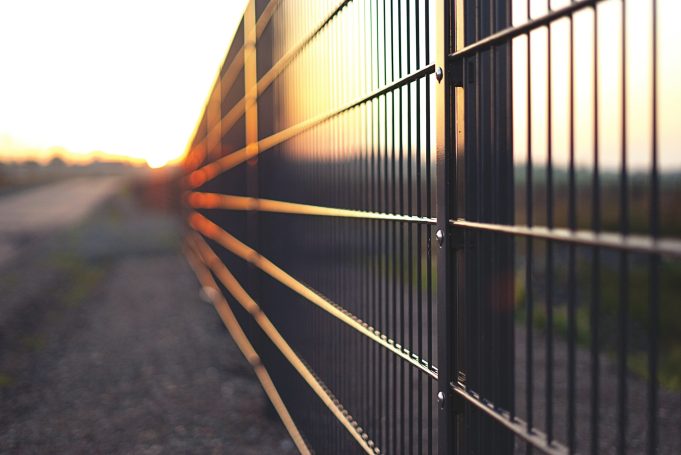
Often, the concept of constructing a fence starts out simply. A homeowner may desire solitude, a safer perimeter for kids or pets, or a more aesthetically pleasing edge surrounding the yard. However, as planning starts, the process proceeds more like meticulous architecture than a weekend project.
Installing a fence is a lot like laying the foundation for a tiny building for homeowners. Like a pillar, each post silently holds everything together while withstanding years of rain, wind, and shifting earth.
More homeowners have tackled fencing more purposefully in recent years after realising that a well-constructed structure may significantly increase daily comfort and property value. A well-placed fence transforms outdoor space, directing traffic and establishing quiet areas in crowded neighbourhoods.
However, the first stage starts with the property line, which is less obvious.
The presumed boundary for many houses is based on landscaping decisions made years ago or on recollections. However, surveys often provide remarkably disparate measurements, making the apparent somewhat surprising.
Early property boundary confirmation helps homeowners prevent conflicts that can swiftly damage neighbourly ties. Although it might seem like an extra step, a professional survey is especially helpful when the goal is a fence that will remain uncontested for decades.
Equal consideration should be given to local rules.
Fence height is limited to about six feet in many towns, and the structure’s proximity to a boundary line is governed by placement regulations. In order to preserve a uniform cityscape, some communities may prohibit front-yard fences or mandate specific materials.
Compliance has significantly increased since many suburban communities implemented stricter zoning regulations. Ignoring these guidelines could result in expensive modifications, often requiring homeowners to remove or alter a brand-new structure.
The discussion turns to materials after regulations are clear, and this is where personality subtly enters the process.
Wood fencing is still very adaptable and is valued for its warmth and organic look. Pressure-treated pine provides durability at an affordable price, while cedar planks weather over time to gentle grey tones. However, wood demands dedication; in order to stay remarkably durable, it needs to be sealed or stained every few years.
Conversely, vinyl and composite fencing provide an alternative way of thinking.
These materials provide exceptional resistance to insects, dampness, and decay. Over the course of the fence’s life, their longevity makes them surprisingly economical, despite the slightly greater initial outlay.
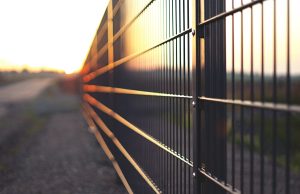
Metal fencing exudes a distinct personality.
Wrought iron and aluminium offer a very dependable option that combines aesthetic elegance with structural robustness. Although they rarely offer complete privacy, when placed correctly, they can last for more than 30 years.
A lot of builders depend on vendors such as Golden Larch Fencing Supplies, whose materials are meticulously chosen to guarantee strength and uniformity. During installation, quality components might not seem like much, but as the seasons change and weather tests every joint and fastener, they become crucial.
Any fence’s real strength is found beneath the surface.
Posts must be positioned far enough down to withstand wind and changing soil. One-third to one-half of the post should be subterranean and securely fixed in concrete, according to a generally recognised norm.
Like a bridge’s underlying skeleton, this structural backbone runs silently.
Post spacing is also important. The majority of installations have a rhythm of six to eight feet, which balances material efficiency and strength. Installers modify panel height and spacing when the ground slopes or curves, allowing the fence to organically follow the land.
Experienced builders can be quite intriguing to watch at work.
Instead of treating each post like a basic wooden beam, they measure meticulously, level frequently, and make adjustments by fractions of an inch.
During one installation, I stood next to a freshly excavated post hole and observed how carefully the workers double-checked their dimensions before pouring concrete. This was a silent reminder that even the smallest details can have a significant impact on long-term strength.
Gates, on the other hand, merits particular consideration.
The first obvious flaw in a fence is a badly installed gate. It refuses to close smoothly, drags on the ground, or sags a little. However, a well-balanced gate swings smoothly, supported by strong hinges and aligned latches that close with a confident click.
Practically speaking, that fluid motion is a result of careful engineering.
Drainage is also quite significant. Pooling water along a fence line can soften the soil around the posts and erode them over time. Installers make sure water flows away from structural supports by including gravel or modest grading.
Whether a fence lasts ten or thirty years is frequently determined by these unnoticed safety measures.
After installation is finished, maintenance takes on the role of longevity’s silent protector.
Homeowners can identify minor problems early with quarterly inspections. It is possible to swiftly fix a loose screw, fractured board, or leaning post to stop minor deterioration from becoming substantial damage.
Cleaning the fence once or twice a year maintains the surfaces clean and stops dirt, algae, and mildew from growing. When used carefully, pressure washers can restore older panels to a stunningly clean appearance, although a soft brush and light detergent usually work well.
Regular sealing is beneficial for wood fences, especially in areas with high levels of sunshine or precipitation.
Every two or three years, homeowners can drastically cut down on UV fading and moisture damage by adding preventive coatings. The end result is a fence that maintains its strength and aesthetic appeal, but the process takes time.
Attention should also be paid to vegetation.
Dense shrubs and climbing vines may seem endearing, but they add weight to panels and retain moisture. That continuous pressure has the potential to hasten degradation and bend rails over time.
Airflow is ensured by keeping plants trimmed just a little bit away from the fence line, which keeps materials dry and structurally sound.
Always make repairs as soon as possible.
It only takes a few minutes to replace a damaged board or tighten loose hardware now, but doing so now will save much larger repairs later. A fence becomes a long-term investment with such consistent maintenance.
Homeowners are anticipated to approach outdoor renovations with greater pragmatism in the upcoming years, emphasising robustness and careful planning. That forward-thinking mindset easily aligns with a well-installed fence that is backed by high-quality materials and regular maintenance.
What starts off as a straightforward border ultimately develops into something more durable: a dependable building that subtly preserves space, improves comfort, and frames everyday life outside the back door.