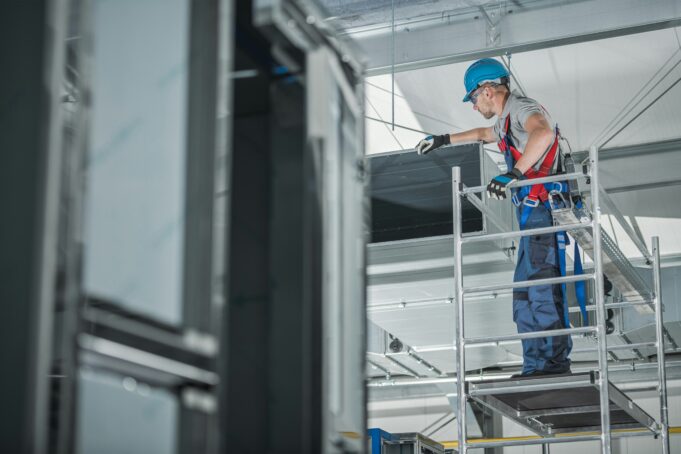
Birmingham’s construction scene doesn’t slow down. Residential refurbishments, commercial redevelopment, historic building restoration — somewhere in the city, scaffolding is going up or coming down right now. Finding the right scaffolding company in Birmingham matters more than most clients realise until something goes wrong.
Here’s what actually separates the good ones from the rest.
What a Scaffolding Company Is Really Responsible For
The structure on the street is the visible output. Everything behind it — site assessment, structural design, risk management, regulatory compliance, ongoing inspection, coordinated dismantling — is what defines whether a company is genuinely professional or just cheap and available.
In Birmingham’s varied built environment, that responsibility extends across Victorian terraces, modern high-rises, commercial facades, and everything in between. Each presents different access requirements, different load considerations, different safety challenges. Companies that handle the full range competently are doing something genuinely skilled.
The Project Lifecycle — What Should Actually Happen
Professional scaffolding work follows a clear sequence. Site inspection first: building height and structure, ground stability, access restrictions, nearby roads and pedestrian areas. Then technical planning, where a scaffold design gets produced based on load requirements and safety standards. Then formal risk assessment. Then installation by trained, certified scaffolders using approved systems. Then ongoing maintenance and inspection throughout the project. Then safe dismantling once the work is done.
That sequence isn’t flexible. Skipping or rushing any stage creates problems — structural, regulatory, or both — that cost considerably more to fix than the time saved.
Why Birmingham Specifically Is Demanding
Urban density is the persistent challenge. Tight streets, irregular access points, scaffolding designed to fit around buildings that weren’t built with construction logistics in mind — this requires planning capability that goes well beyond standard residential work.
High-traffic zones add another layer. Road closures, pedestrian diversions, coordination with local authority permit requirements — a scaffolding company in Birmingham operating near city centre locations deals with this constantly. Public interaction around scaffolding structures also raises the safety stakes. A failure on a quiet rural site is serious. The same failure near a busy Birmingham street is a different order of problem.
The System Options and When They Apply
Tube and fitting scaffolding handles complex or irregular building shapes where modular systems won’t adapt easily. System scaffolding — pre-engineered modular components — suits larger projects where efficiency and speed matter. Suspended scaffolding covers high-rise facade work where ground access isn’t practical. Mobile towers handle short-term, lower-height tasks where full erection would be disproportionate.
The choice matters. Using the wrong system for site conditions creates unnecessary complications and often costs more in the end. Good companies specify the right system for each job rather than defaulting to whatever’s most convenient for them.
Safety: What the Regulations Actually Require
UK working at height legislation is strict, and compliance in Birmingham’s public-facing environments is non-negotiable. Certified scaffolders, structural inspections before and during use, guardrails and toe boards, load testing, detailed method statements and risk assessments — these are legal requirements, not optional extras.
The inspection schedule deserves particular attention. Scaffolds need checking before first use, after significant weather events, at regular intervals, and following any structural modifications. Companies that treat inspection as administrative overhead rather than genuine safety practice create liability that eventually catches up with them — and with anyone who hired them.
Costs in a City Environment
Urban scaffolding in Birmingham carries a price premium over equivalent rural or open-site work. Traffic management, council permits, logistical complexity in tight spaces, and the time involved in thorough planning all feed into the final figure.
Quotes significantly below market rate deserve scrutiny. The question isn’t what’s being charged — it’s what’s being omitted. Insufficient insurance, undertrained staff, skipped inspections — these are where costs get cut, and where the consequences appear later.
What Technology Has Changed
Digital scaffold design modelling has meaningfully improved planning accuracy. 3D design tools catch problems before installation begins rather than during it. Mobile inspection reporting has replaced paper-based systems on serious sites. GPS coordination, lightweight modular components, and improved safety monitoring equipment have all raised the standard of what competent scaffolding companies now deliver as routine.
Skills shortages remain a genuine constraint. Qualified scaffolders are in consistent demand across Birmingham, which affects both pricing and availability. Companies with stable, well-trained teams are worth more than their day rate implies.
Choosing the Right Company
Safety record — verifiable, not self-reported. Experience with comparable project types and scale. Current certification and compliance standards. Proper insurance coverage. The operational capability to manage Birmingham’s urban logistics without treating it as an unusual challenge.
Ask direct questions. Request documentation. Talk to previous clients on similar projects if possible. A scaffolding company in Birmingham worth hiring will answer all of that clearly and quickly — because they’ve done it before and have nothing to hide.