
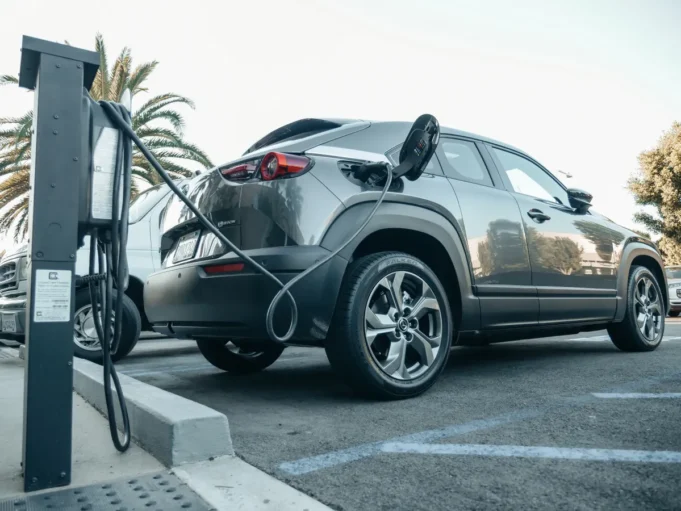
A design competition is under way for the Chessington electric vehicle depot, with the winning team set to receive an estimated £300,000 commission to advance plans from RIBA Stages 1 to 2 for a new depot at Jubilee, according to the Architects Journal.
The project represents one of the more concrete expressions of the public sector’s push to electrify fleet operations, moving beyond policy intent into a structured procurement and design process. A dedicated depot facility is a prerequisite for any credible transition to electric vehicles at scale: without the charging infrastructure, grid connection, and workshop layouts that a purpose-designed depot provides, operational carbon savings from replacing combustion-engine vehicles remain largely theoretical.
Planning consent secured at Jubilee site
The planning groundwork for the Chessington electric vehicle depot is already in place. The Royal Borough of Kingston upon Thames granted planning permission, under reference 24/00313/FUL, for the change of use of the unit that will accommodate the new facility, as confirmed in the Kingston upon Thames planning documents. Securing that consent before the design commission is awarded reflects a pragmatic sequencing: the project team has established the principle of development and the permitted use before committing to a detailed architectural brief.
Change-of-use approvals of this kind can be a source of embodied carbon savings in their own right. Adapting an existing unit, rather than demolishing and rebuilding from a cleared site, typically reduces the upfront carbon burden associated with substructure and superstructure works, provided the existing fabric is sufficiently sound to be retained and upgraded. Whether the Jubilee site’s existing structure will be substantially retained will become clearer as the appointed team works through RIBA Stage 1 options appraisal.
RIBA Stage 1-2 scope and what the commission covers
The competition brief positions the Chessington electric vehicle depot commission as a design-led appointment rather than a straightforward construction procurement. RIBA Stages 1 and 2 cover preparation, briefing, and the concept design phase: the appointed team will be expected to develop the strategic brief, test site options, and produce a concept design that demonstrates how the depot can meet its operational requirements while the project team begins to interrogate whole-life carbon performance.
For a fleet depot of this type, the concept design phase typically involves decisions that carry the heaviest carbon consequences: the structural grid, the envelope specification, the extent of roof area available for photovoltaic panels, the battery storage strategy, and the capacity and resilience of the grid connection. Getting those decisions right at Stage 2 determines whether the operational carbon ambition of an all-electric fleet can actually be realised in practice, or whether the building itself becomes a constraint on performance.
The £300,000 estimated fee for Stages 1 and 2 reflects the complexity of a specialist infrastructure project with active planning consent. Design teams bidding for the commission will need to demonstrate relevant experience in low-carbon fleet or transport infrastructure, as well as the technical capacity to coordinate electrical engineering, civil works, and building fabric into a coherent concept.
The Chessington electric vehicle depot also sits within a broader pattern of local authorities investing in the infrastructure needed to decarbonise their own fleets ahead of tightening emissions requirements. Kingston’s decision to progress a purpose-designed facility, with a structured RIBA-stage appointment, signals a commitment to doing that work properly rather than retrofitting inadequate accommodation as vehicles arrive.
With planning permission already granted under reference 24/00313/FUL and the design competition now live, the Chessington electric vehicle depot project moves into its next substantive phase once the commission is awarded and Stage 1 work begins.