
Booking a trip tends to compress everything into the enjoyable parts: flights, accommodation, packing, and the pleasant anticipation of departure. Yet one small habit, completed before leaving home, can spare travellers from problems that become genuinely difficult to resolve once they are already in transit.
The single most useful pre-trip step is reading the official foreign travel advice for the destination. Organised country by country, it brings together the information travellers most need and most frequently skip: entry requirements, safety and security conditions, local laws and customs, and health considerations. It takes only a few minutes to read, and it is kept current as conditions on the ground change.
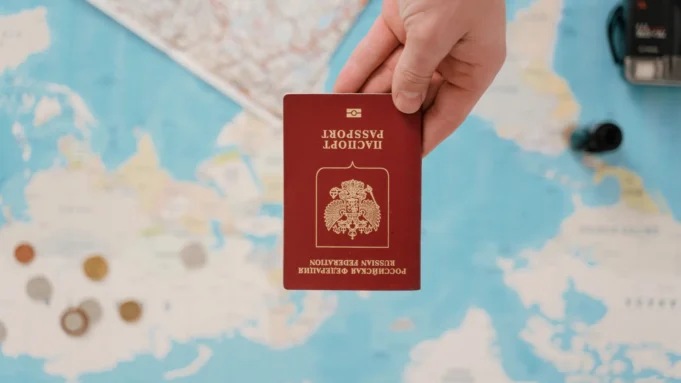
Entry requirements are where avoidable disasters tend to cluster. Visa rules, passport validity requirements, and supporting documentation all vary considerably between destinations and shift more often than most people realise. Passport validity is a particularly common trap: many countries require a passport to remain valid for a specified period beyond the travel dates, meaning a document that is technically still in date can nonetheless result in a refused boarding. Checking this several weeks before departure, rather than at the check-in desk, is often the difference between a smooth journey and a cancelled trip.
Local laws and customs are worth a careful look as well. Behaviour that raises no eyebrows at home can be treated very differently in another country, from rules around photography and dress codes to attitudes towards certain medications. Travellers occasionally carry common prescription drugs that are restricted or prohibited at their destination, and discovering this at the border is a serious problem with few easy solutions. A brief read clarifies what to declare, what to leave at home, and what warrants further research.
Safety and security guidance supports grounded decision-making rather than either fearful avoidance or unthinking confidence. It can flag areas worth steering clear of, scams that are common in the area, and regional conditions that might affect plans. This is also the information travel insurers pay attention to, because cover can be invalidated if a traveller heads somewhere against official advice. Checking before booking rather than after protects both personal safety and the policy itself.
Health rounds out the picture. Some destinations recommend or require specific vaccinations, and certain health risks benefit from preparation in advance. Because some vaccines must be administered well ahead of travel, this is a check that rewards early reading rather than a last-minute scramble.
The reason this habit matters is timing. Nearly every issue it surfaces is straightforward to resolve weeks before departure and close to impossible to address at the gate or the border. The trip itself is the enjoyable part; a short, deliberate check beforehand is the practical step that keeps it intact, and it costs nothing beyond a few minutes of attention.