The first thing people usually notice about an energy-efficient building is not the technology. It is the quiet. Fewer rattling radiators, fewer draughts slipping under doors, fewer frantic adjustments to thermostats when the weather turns. The building feels settled, as if it knows how to hold itself together through winter and summer alike.
In the UK, energy efficient buildings have gradually moved from being a niche concern to a practical response to rising costs. The shift did not come from sudden environmental awakenings alone. It came from energy bills that refused to stay still, from landlords staring at maintenance spreadsheets, and from homeowners realising that “cheap to build” often meant “expensive to live with.”
Older properties tell this story clearly. Many were designed when energy was relatively cheap and expectations were lower. Heat escaped through uninsulated walls and single-glazed windows. Boilers ran harder than necessary. Electricity was used carelessly because it could be. The long-term costs were invisible at first, spread out over decades, absorbed quietly through monthly bills.
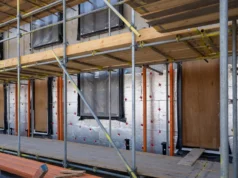
Modern efficiency standards challenge that logic. Better insulation, tighter building envelopes, efficient glazing, and smarter heating systems reduce energy demand before a single unit of power is consumed. This matters because building energy savings accumulate slowly but relentlessly. A few pounds saved each day does not feel dramatic. Over twenty years, it reshapes household budgets.
There is also a psychological shift that accompanies efficient design. When buildings hold heat properly, people stop overcompensating. Thermostats are set lower. Heaters are turned off earlier. Behaviour adjusts naturally to the environment rather than fighting against it. Efficiency benefits extend beyond technology into habits.
Developers once resisted these measures, citing higher upfront costs. That argument still surfaces, but it is weaker than it used to be. Materials have improved. Supply chains are more established. Regulatory pressure has normalised efficiency as part of standard construction rather than an optional upgrade. The real financial question is no longer whether efficiency costs more, but when those costs are recovered.
In many cases, the payback period is shorter than expected. Reduced heating and cooling expenses begin immediately. Maintenance costs fall as systems are less stressed. Properties with strong energy ratings attract tenants and buyers more easily, reducing vacancy periods. These are not abstract benefits; they appear in ledgers and bank statements.
Commercial buildings illustrate this particularly well. Offices designed with natural light, efficient ventilation, and zoned heating systems consume less energy while offering more control. Businesses see lower operating expenses and more predictable costs. In uncertain economic conditions, predictability itself has value.
There is a quiet dignity in buildings that do not demand constant attention. Efficient structures require fewer emergency repairs related to moisture, mould, or thermal stress. Materials last longer when they are not exposed to extreme temperature swings. Over decades, this durability translates into measurable savings.
Retrofitting existing buildings complicates the picture but does not undermine it. Insulation upgrades, window replacements, and heating improvements often feel disruptive and expensive. Yet many homeowners who make these changes report a sense of relief once the work is done. Bills stabilise. Comfort improves. The house feels less fragile.
I remember reading an energy audit that showed a modest terrace house losing nearly half its heat through poorly insulated walls, and the number stayed with me longer than I expected.
Energy prices in the UK have made long-term thinking unavoidable. Short-term fixes no longer offer protection when external conditions shift quickly. Energy efficient buildings act as buffers against volatility. They do not eliminate exposure to price rises, but they soften the impact. That insulation is financial as much as physical.
Efficiency benefits also extend to planning decisions. Buildings designed to use less energy place lower demand on local infrastructure. This can reduce future upgrade costs for utilities and councils, savings that eventually flow back to occupants through lower charges or fewer disruptions. The system works better when individual parts are less demanding.
There is an interesting generational element to this change. Younger buyers often expect efficiency as standard, while older owners come to appreciate it through experience. The appeal shifts from novelty to necessity. No one romanticises a cold kitchen anymore.
Energy efficient buildings UK-wide are also increasingly linked to policy incentives and financing options. Mortgages, grants, and planning approvals often favour efficient designs. These mechanisms reduce initial barriers and accelerate adoption. Over time, the market adjusts, and inefficient buildings begin to feel outdated rather than charming.
The conversation around efficiency used to focus heavily on environmental responsibility. That narrative still matters, but it is no longer sufficient on its own. The more persuasive argument is economic. Reduced long-term costs are tangible. They can be explained without graphs or slogans.
Efficiency does not mean uniformity. Well-designed buildings can still have character, quirks, and warmth. What changes is the relationship between occupant and structure. Instead of constantly reacting to problems, people settle into routines. The building supports daily life quietly.
There are trade-offs, of course. Poorly planned efficiency upgrades can cause ventilation issues or overreliance on technology. These mistakes feed scepticism. But they are not failures of efficiency itself, only of execution. Thoughtful design balances insulation with airflow, automation with manual control.
Over time, the financial story becomes difficult to ignore. Energy savings compound. Maintenance stabilises. Property values respond. What once looked like an added expense reveals itself as delayed savings. The long view rewards patience.
Buildings last longer than political cycles, market swings, and many personal plans. Decisions made during construction echo for decades. Energy efficiency turns those echoes into quieter, cheaper ones. The result is not dramatic transformation, but steady relief.
That steadiness may be the most undervalued benefit of all.