Enhancing public restroom sustainability involves integrating eco-friendly materials and technologies. These solutions not only reduce environmental impact but also promote resource efficiency. By adopting sustainable practices, facilities can lead the way in environmental responsibility.
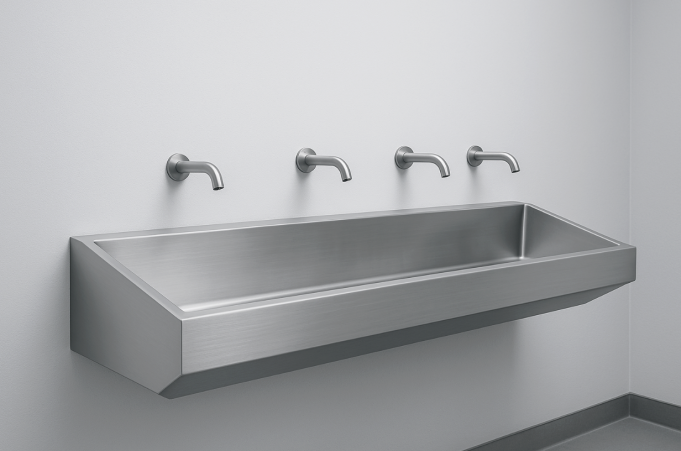
Public restrooms are pivotal in the push for sustainability, presenting unique opportunities to implement eco-friendly practices. As you consider the importance of sustainability in public restrooms, it becomes clear that these spaces can significantly contribute to environmental conservation efforts. By utilising sustainable solutions such as eco-friendly materials and water-saving technologies, public restrooms can minimise their environmental footprint. The introduction of innovative products like wash trough sink demonstrates a commitment to this green initiative.
Eco-friendly materials improve restroom sustainability
Choosing the right materials is crucial for enhancing the sustainability of public restrooms. Opting for eco-friendly materials in fixtures and fittings reduces both waste and resource consumption. Products made from recycled or sustainably sourced materials can drastically lower environmental impact, ensuring that these spaces are built with future generations in mind. You’ll find that using sustainable materials doesn’t just preserve the environment; it also often results in durable, high-quality installations that require less frequent replacement.
Sustainable products also play a significant role in reducing the carbon footprint of public restrooms. Utilising recycled metal or low-VOC (volatile organic compounds) paints can make a tangible difference. These choices support a healthier environment and contribute to improved indoor air quality, benefiting both maintenance staff and users. Thus, embracing eco-friendly materials is a step toward more responsible facility management.
Water-saving technologies transform restroom efficiency
Water conservation is another critical component of sustainable hygiene solutions in public restrooms. Implementing water-saving technologies ensures that restrooms use resources efficiently without compromising hygiene standards. Low-flow toilets, sensor-activated faucets, and waterless urinals are examples of systems designed to minimise water usage. These innovations demonstrate that sustainability can go hand-in-hand with functionality and cleanliness.
Sensor-based systems prevent excessive water flow by only activating when necessary, significantly cutting down on waste. Additionally, dual-flush toilets offer options for different levels of flushing power based on need, further optimising water use. By incorporating these solutions, public restrooms can conserve valuable resources while maintaining high sanitation standards.
Energy-efficient designs boost overall sustainability goals
Energy efficiency is another vital aspect of creating sustainable public restrooms. Incorporating energy-efficient lighting and ventilation systems is essential for reducing energy consumption and enhancing the user experience. LED lighting, for instance, consumes less power and has a longer lifespan compared to traditional bulbs. This change alone reduces energy costs and the frequency of maintenance required.
Effective ventilation systems also contribute to energy savings by ensuring air circulation without excessive power usage. By integrating smart thermostats or automated systems that adjust based on occupancy, facilities can further optimise energy use. These energy-efficient designs align with broader sustainability goals by minimising operational costs and reducing carbon emissions. Embracing these technologies reflects a proactive approach to environmental stewardship.