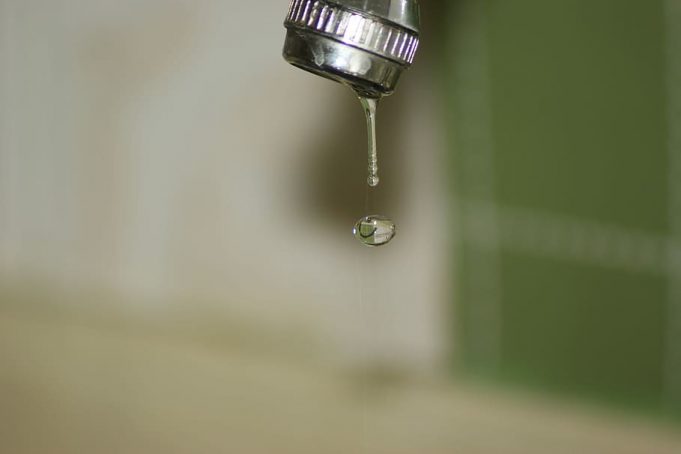
You rarely hear anyone brag about their water bill. In most commercial buildings, water use is a silent background process—expected, functional, and often overlooked. Until the numbers come in. That’s when a sudden spike or an annual audit forces facility managers to look again at how much clean, treated water is being flushed, sprayed, and drained—sometimes with alarming inefficiency.
Over the past few years, the conversation around sustainable facilities has expanded well beyond energy efficiency. LEDs and solar panels may get the headlines, but water is where many buildings can make the fastest, most cost-effective impact. It’s also where the margin for waste is surprisingly large. In some commercial washrooms, outdated fixtures and unnoticed leaks can account for thousands of litres lost every month.
One building in Atlanta—a tech campus with over 800 employees—discovered that a single restroom’s faulty flush valve was wasting over 1,100 gallons a day. The fix cost under $200. The savings, when annualised, helped offset a broader retrofit initiative that included installing low-flow aerators and sensor-activated taps across the entire facility.
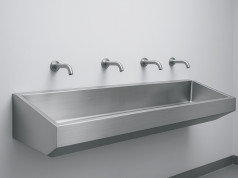
Sensor systems are, increasingly, the quiet heroes of water conservation. These hands-free fixtures don’t just improve hygiene—they prevent the slow drip of waste that adds up in high-use environments. By only activating when needed, they ensure water isn’t flowing for longer than absolutely necessary. Paired with dual-flush toilets and urinals designed for high-efficiency, these changes can cut water usage in restrooms by 30% or more.
But the technology is only one piece of the puzzle. Many of the most effective strategies rely on people—on maintenance teams who catch small issues before they become large ones, and on employees who know the value of reporting leaks or inefficient fixtures. Facilities that invest in simple awareness campaigns often see the benefits multiply. Posters near sinks, brief orientation modules, even periodic “efficiency walks” through the building can create a culture of shared responsibility.
At a sustainability seminar last summer, I listened to a speaker from a healthcare group describe how their shift to water-efficient operations wasn’t driven by environmental ethos alone—it was a response to rising utility costs across their 12 clinics. “We framed it as risk management,” she said. “The planet wins, sure, but so does our bottom line.”
That stuck with me.
Commercial kitchens and mechanical rooms are often the biggest culprits. Cooling towers, dishwashers, and irrigation systems all offer opportunities for efficiency gains. Submetering helps isolate where waste is happening, while smart analytics platforms flag anomalies in real time. In some cases, retrofitting isn’t even necessary—just better scheduling and more precise monitoring.
For facilities looking to make the leap, the initial audit is often the most important step. You can’t fix what you can’t see. And many water losses are invisible—underground, behind walls, or slow enough that they don’t trigger concern until the bill arrives.
The good news is that the return on water conservation is faster than most sustainability investments. Lower water bills, reduced strain on municipal systems, and eligibility for green building certifications all add up. Some cities now offer rebates for upgrades, and those incentives are nudging even the most budget-conscious operators to take action.
The result is a quiet revolution in how commercial buildings manage one of their most essential resources. Not with sweeping gestures, but with measured, thoughtful changes—an upgraded valve here, a scheduled leak check there—that cumulatively shape a more sustainable facility.
And perhaps more importantly, a more responsible one.