Gloucester’s outdoor spaces don’t sit still. The climate shifts across seasons, rainfall arrives reliably, soils vary considerably across the city’s mix of historic, suburban, and rural properties. Landscaping Gloucester projects that perform well over time account for all of that — which means good planning matters more than good intentions.
Understanding the Local Environment First
Gloucester’s temperate climate supports a wide variety of plants and lawns. That’s the good news. The challenge is that moderate rainfall throughout the year creates waterlogging risks in poorly drained sites, frost can damage vulnerable planting during colder periods, and seasonal fluctuations in growth mean maintenance demands shift considerably across the calendar.
Designs that perform well elsewhere don’t automatically translate. Plant species, drainage solutions, and material choices all need to reflect what Gloucester’s conditions actually deliver — not what the catalogue photographs suggest.
Strategic Planning Over Impulse Design
The most common reason landscaping projects disappoint is starting with materials and plants rather than starting with purpose and conditions. Sunlight exposure, soil quality, drainage behaviour, existing vegetation, access routes, long-term maintenance capacity — these need honest assessment before any design decisions get made.
A well-planned landscape reduces future costs significantly. Repairs, replacements, drainage remediation, plant failures — most of these trace back to planning shortcuts taken at the start. Spending time on proper site assessment pays back many times over.
Hard vs Soft Landscaping: Getting the Balance Right
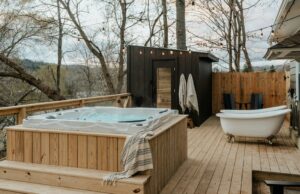
Hard landscaping — patios, driveways, pathways, retaining walls, decking, fencing — provides durability and defined outdoor living space. Lower ongoing maintenance, better accessibility, usable areas in all weathers. The downside of excessive hard surfacing is reduced natural drainage and limited biodiversity. Heat retention on heavily paved sites also becomes noticeable during warmer summers.
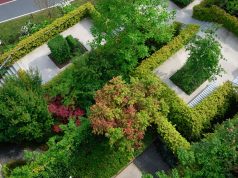
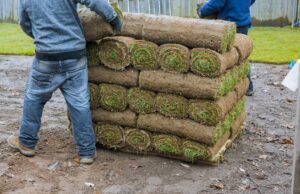
Soft landscaping — trees, shrubs, lawns, flower beds, hedges — contributes to biodiversity, improves air quality, and creates seasonal visual interest that hard surfaces simply can’t replicate. The trade-off is ongoing maintenance: watering, pruning, fertilisation, pest management. That commitment needs to be honest and realistic before the planting goes in.
The most effective Gloucester landscaping projects combine both elements deliberately, using each where it serves the space best rather than defaulting to one approach.
Drainage: The Technical Priority Nobody Wants to Talk About
Standing water damages lawns, planting, and hard surfaces. It increases maintenance demands and creates conditions where nothing performs as it should. Poor drainage is the most consistently recurring problem in residential landscaping — and it’s almost always cheaper to address during initial design than to fix retrospectively.
Permeable paving allows rainwater to soak into the ground rather than pooling or running off. Rain gardens capture and slowly release water. Drainage channels redirect excess water away from vulnerable areas. Water storage systems harvest rainfall for irrigation. These solutions manage Gloucester’s regular precipitation effectively and reduce pressure on drainage infrastructure at the same time.
Sustainability: Mainstream, Not Niche
Native and climate-adapted plants have become the intelligent default rather than an eco-conscious premium. They require less water and maintenance than non-native species, prove more resilient to local conditions, and provide habitat for pollinators and wildlife that exotic alternatives don’t support as effectively.
Wildlife-friendly features — wildflower areas, bird-friendly planting, pollinator gardens, natural hedgerows — create visually diverse spaces while contributing genuinely to local ecosystems. Reclaimed and recycled materials reduce environmental impact and often produce more characterful results than new materials at lower cost.
Boundary treatments deserve consideration within the wider design. Whether fencing, walls, or natural hedging, boundaries define different areas within a landscape and contribute significantly to privacy, security, and structure. The right choice depends on maintenance preferences, budget, aesthetics, and any local planning considerations that apply to the property.
The Budget Conversation Done Honestly
Lower-cost installations often lead to higher costs over time. Budget paving deteriorates faster and needs repair more frequently. Inadequate drainage infrastructure creates water management problems within a few seasons. Cheap planting has higher replacement rates. The cumulative expense of addressing these issues typically exceeds the original saving.
Premium paving materials carry higher upfront costs and deliver greater durability. Proper drainage infrastructure prevents expensive future remediation. Quality planting, correctly specified for the site, establishes more successfully and requires less intervention. That’s not an argument for spending without limit — it’s an argument for spending thoughtfully on the elements that carry the most long-term consequence.
What’s Coming Next
Climate resilience is shaping landscape design more directly than before. Greater use of permeable materials, biodiversity-focused garden design, low-maintenance planting schemes, smart irrigation technology — these trends reflect both environmental necessity and changing homeowner priorities.
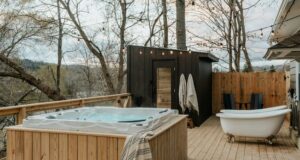
Outdoor living spaces continue to evolve from seasonal additions into genuine extensions of interior living. Covered seating, outdoor kitchens, integrated lighting, all-weather surfaces — Gloucester homeowners are investing in gardens they can actually use across the full year rather than just in summer.
The outdoor spaces that deliver lasting value — attractive, practical, environmentally responsible — are the ones built on honest site assessment, realistic maintenance planning, and decisions that account for how the space will perform in five years, not just how it looks in the week after installation.