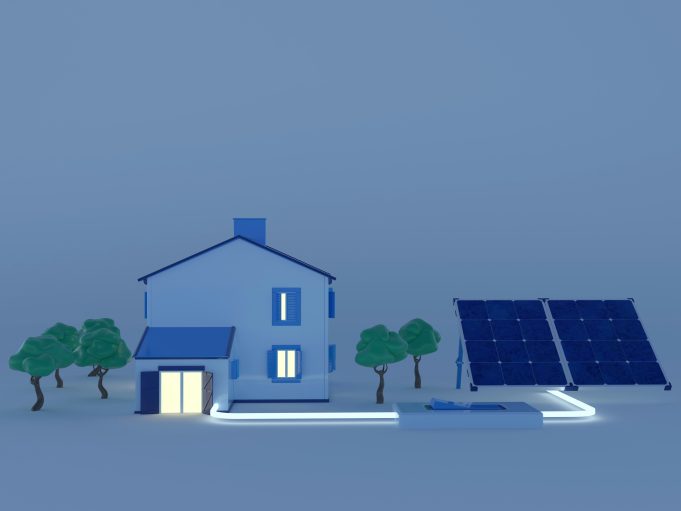
When we talk about buildings that don’t use a lot of carbon, we naturally start to think about things like solar panels, heat pumps, and insulation. These are definitely the first steps towards a greener future. But making a truly sustainable property is more than just the bricks and mortar; it means looking at the whole lifecycle of the things that come into our homes and construction sites.
As the industry cuts back on operational carbon emissions, the focus is moving to “embodied carbon,” which is the carbon emissions that come from making, shipping, and delivering building materials. This is where the logistics of renovation and construction, which are often forgotten, come into play.
The Hidden Carbon Cost of Delivery
When a pallet of tiles, a new bathroom vanity or a set of smart thermostats arrives at a construction site, it comes in a box. For a long time, people have known that the construction and home improvement industries waste a lot of materials. They often use plastic that can’t be recycled, polystyrene, and shrink wrap to keep heavy or fragile things safe.
If a project wants to reach net-zero status, the waste made before the first hammer is swung can be a problem. More and more builders and eco-friendly homeowners are checking out suppliers not only based on the product itself, but also on how it is delivered.
The Shift to Circular Logistics
The good news is that things are changing in the supply chain. The biggest companies are getting rid of single-use plastics and replacing them with materials that are good for the circular economy. We’re seeing a big shift towards plant-based, renewable ways to protect things that don’t end up in a landfill.
For instance, corrugated cardboard is now a great way to send heavy building materials and interior fixtures. Plastic can stay in the environment for hundreds of years, but paper-based solutions break down and can be used again and again.
Suppliers can greatly lower the carbon footprint of logistics by switching to sustainable packaging. Getting rid of extra void fillers with custom-made solutions that fit the product perfectly cuts down on waste even more. This means that there are fewer delivery trucks on the road because space is used better.
Why This Matters for Your Project
You can change the market if you are in charge of a low-carbon building or renovation. Here are some ways to make your supply chain more sustainable:
- Before You Buy: When you order materials, ask the suppliers how they ship them. Do they use alternatives that don’t have plastic?
- Put first In the area: Getting things from nearby stores cuts down on delivery miles, but the best way to do this is to get things from nearby stores and use eco-friendly packaging.
- Waste Management: Your site’s waste management plan should have a separate stream for recycling clean cardboard. You usually have to get rid of plastic wrap in a special way, but you can easily add cardboard to regular recycling loops.
The Big Picture
A low-carbon building is made up of many systems that work together. It’s not just about how well the house will work in 10 years; it’s also about how it was built today. Asking for better ways to package and ship products can help us make sustainability work.
Every kilogramme of carbon is important as we work towards our goals for 2050. It’s a small change that makes a big difference to make sure that high-performance building materials come in eco-friendly, high-performance packaging.