The smell is typically the first thing that people notice. A stale sweetness that never completely goes away in a cupboard or a corridor is sometimes there but not always overpowering. In older homes in Bristol, moisture rarely makes a dramatic entrance. It likes to be patient. It operates gradually through joists and brick and mortar that were installed when Queen Victoria was still living, awaiting the ideal circumstances to arise.
You can see confidence in the architecture when you go around Redland or Clifton. strong masonry, tall sash windows, and long-lasting structures. However, many of these houses are quietly battling moisture on the inside, under the plaster and paint. Instead of being imprisoned by the demands of efficiency and warmth of the modern world, they were designed to breathe. Decay is rarely long behind when that balance shifts.
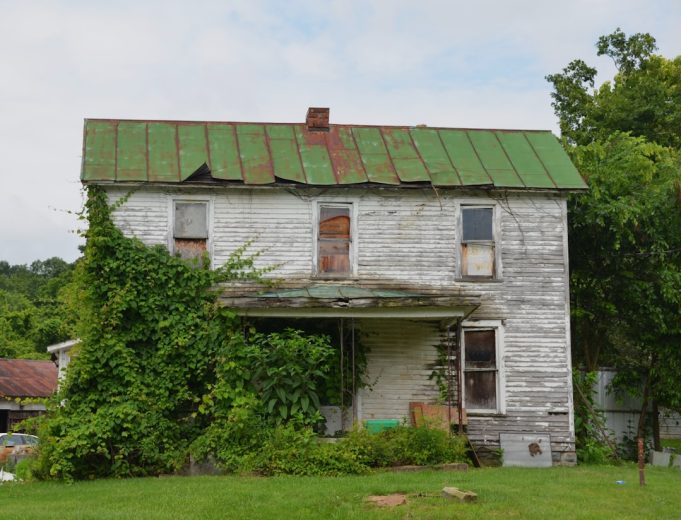
Small acts of neglect are often the first sign of danger. During the winter, a blocked gutter remained. The tiny discolouration created by a slipped roof tile was disregarded. Because penetrating damp frequently has unremarkable causes, it is simple to ignore it until the costs become high. At first, Timber doesn’t voice his complaints loudly. It becomes softer, darker, and less sharp. The floorboards begin to dip in subtle ways, as if the house were cleaning its throat.
The lengthy history of conversion in Bristol adds even more intricacy. Big family homes that have been split up into apartments or student rentals come with additional demands that their builders were not prepared for. Bathrooms proliferate. Kitchens are dynamic spaces. If ventilation is taken into consideration at all, it becomes an afterthought. Where a single fireplace originally drew air through the building, damp air now gathers in the corners. Daily, then nightly, and finally permanently, condensation accumulates.
Signs are frequently present everywhere at once in houses with multiple occupants. Behind wardrobes, black mould is growing. Every morning, windows are filled with water. Common stairwells have a musty stench. These are not merely aesthetic problems. What appears to be surface damage becomes a structural issue when there is ongoing wetness, which also encourages fungal degradation and draws wood-boring insects.
Rising damp is still a problem in many older Bristol buildings, despite constant argument. Once you understand what dark tide marks on skirting boards represent, it’s difficult to ignore them. Like frost, salt crystals form on plaster. A damp proof course that never existed in the first place or that has been bridged or failed is frequently the cause. Moisture silently rises through porous brick and stone, bringing salts that pull water long after the initial source is dealt with.
Decomposition of wood often follows moisture like a shadow. Where leaks continue to occur, such as under bathrooms or close to gutters, wet rot develops, weakening wood until it becomes weak. More frightening is dry decay. It spreads more quickly, requires less water, and moves through confined areas with unnerving efficiency. Brittle wood and fruiting bodies are late-stage, not early, danger signs.
I recall hearing a surveyor explain that the rot had probably been spreading for years before anyone noticed it while I was standing in a converted townhouse close to Gloucester Road.
Homeowners frequently halt at that point, readjusting their perception of time and accountability. Deterioration and dampness are not abrupt failures. They are gradual agreements between human involvement, weather, and buildings. Every decision you make, such as sealing a wall, blocking a vent, or ignoring a leak, somewhat alters the result.
Because speculation is costly, professional surveys are important. Even seasoned renovators often confused by the ways that moisture issues overlap. Rising damp can be mistaken for condensation. Fungal growth that appears to be an insect problem can be caused by penetrating moisture. Treatments become dull tools without a correct diagnosis, sometimes retaining moisture instead of eliminating it.
The older housing stock in Bristol necessitates specificity. Victorian brickwork and Georgian masonry behave differently. Modern treated wood reacts to moisture differently than original lumber. A customised strategy honours these variations by concentrating on eliminating the moisture source before treating the harm it has produced.
A change in culture is also taking place. Homeowners are starting to realise that they don’t have to force older structures to meet contemporary airtightness requirements. They require some humility, upkeep, and airflow. Ventilation is essential to the survival of these buildings and is not a result of inadequate insulation.
Ongoing care makes a big difference. Seasonal checks can help homeowners catch problems before they escalate. During wetter months, it’s worth inspecting gutters, roof tiles, and nearby ground surfaces for signs of overflow or water pooling.
Ventilation should be a focus, too. Simple changes, such as keeping air bricks clear or installing extractor fans in kitchens and bathrooms, help lower humidity levels indoors.
Floor ventilation is often overlooked in older homes. Where suspended timber floors are present, airflow below them is crucial. Blocked vents can lead to condensation and even fungal decay underneath. Installing vent grilles and checking that underfloor spaces remain dry adds another layer of protection.
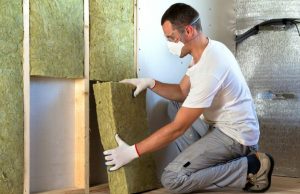
Where retrofitting is needed, breathable materials and finishes should be chosen with care. Adding insulation or upgrading windows must always be balanced with moisture control to avoid trapping damp inside walls.
For those carrying out larger renovation work, it helps to work with contractors who understand how moisture behaves in solid-walled buildings. Cutting corners often results in more expensive repairs later.
One should not undervalue the emotional toll. Living with moisture causes a subtle discomfort. People worry about their health, the worth of their home when they sell it, and whether the home they love is subtly declining. Even when the diagnosis is unfavourable, there is frequently a noticeable sense of relief. A sense of control is restored when you understand what you’re dealing with.
Winning the battle against moisture is not the goal of managing damp and decay in Bristol. It’s about comprehending a city that has been fashioned by centuries of adaption and is situated near water on hills. Through stains, scents, and softened wood, the houses gradually reveal their stories. Early listening and thoughtful response are crucial.