Ask someone to picture a low carbon home and they’ll describe the exciting stuff: a heat pump humming in the garden, solar tiles on the roof, maybe a battery in the cupboard under the stairs. Ask an energy assessor what actually moves an EPC rating and you’ll get a less glamorous answer.
Glass. Frames. Doors. The fabric of the building itself.
It’s the least fashionable corner of the net zero conversation, and it might be the most important one, because in Britain the road to low carbon housing runs straight through some of the leakiest building stock in Europe.
The problem with heating a sieve
More than a third of UK homes were built before 1945, in an era when insulation meant a second pair of socks. Heat physics is unsentimental about this. Warmth escapes through every poorly performing surface, and windows punch well above their weight: the Energy Saving Trust notes that single glazing alone can account for around 10% of everything the boiler produces.
That leak has an awkward consequence for decarbonisation. Fit a heat pump to a draughty house and you have electrified the waste along with the warmth, a low carbon heating system working overtime to heat the street. This is why the industry mantra has become “fabric first”: seal the envelope before you swap the heat source. It isn’t a slogan, it’s arithmetic. Every kilowatt-hour that never escapes is one you never have to generate, store or pay for.
EPC ratings now follow the money
The Energy Performance Certificate used to be paperwork. It is quickly becoming one of the most consequential documents a homeowner holds. Lenders now offer better rates on green mortgages for efficient homes, buyers increasingly check the rating before they view, and landlords face minimum energy standards that keep tightening, with EPC C the direction of travel for the whole rented sector.
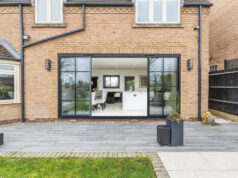
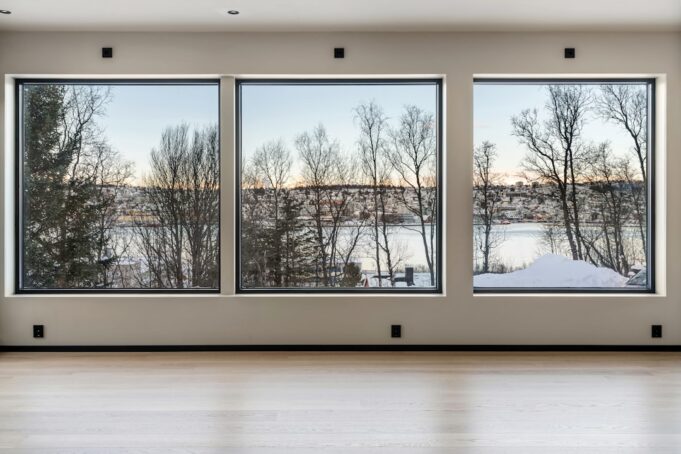
For most older properties, glazing and doors are the pragmatic first move on that certificate. Modern A-rated windows deliver EPC points at a fraction of the disruption of external wall insulation, and with none of the electrical questions a heat pump raises. The difference is felt in the first cold week: warmer rooms, quieter nights, and condensation that stops blooming across the glass every morning.
The suppliers see the pattern clearly. CR Smith, which has been manufacturing A-rated energy efficient windows in Scotland for over fifty years, reports that energy performance has moved from an afterthought to one of the first questions customers ask. Ten years ago it was all about the look of the frame. Now it’s the rating on the label.
The retrofit decade
Here is the number that reframes everything: roughly 80% of the homes Britain will occupy in 2050 have already been built. Net zero housing is not really a construction project. It is a renovation project, the largest this country has ever attempted, and it will be judged in EPC bands and won in unglamorous increments. A terraced street reglazed. A Victorian semi finally sealed against the wind that has whistled through it for a century. The heat pumps and solar panels will follow, and they will work far better for arriving second.
The light bulb gets the credit for illuminating the modern age. The window, properly made and properly fitted, might quietly do more for the age we’re heading into.