Energy costs are a significant concern for UK households, making the running expenses of potential homes important in purchasing decisions. Modern new-build properties offer substantial savings compared to older housing stock through superior energy efficiency and advanced construction standards.
- Why New Builds Are Cheaper to Run
New-build homes typically achieve Energy Performance Certificate ratings of A or B, whilst older properties frequently languish at D, E or lower. EPCs assess how efficiently properties use energy, rating them from A (most efficient) to G (least efficient) based on construction quality, insulation levels and heating systems. Higher ratings directly correlate with lower energy bills. Modern construction incorporates improved insulation in walls, roofs and floors that prevents heat escaping, double or triple glazing that minimises thermal loss through windows, and efficient heating systems like condensing boilers or heat pumps that extract maximum warmth from fuel consumed. According to government EPC statistics, the average new build achieves better energy performance than existing housing stock, translating directly into reduced monthly utility expenditure.
- Typical Energy Bill Savings in Pounds and Pence
Recent Home Builders Federation analysis indicates the average new-build house incurs approximately £800 annually for heating, hot water and lighting, compared with roughly £1,789 for equivalent older homes, with annual savings approaching £979. During periods of elevated energy prices, savings potentially reach £1,600-£2,200 yearly. These figures represent typical scenarios and not guarantees; actual savings vary considerably based on property size, occupant behaviour, chosen tariffs and local climate conditions. A four-bedroom detached new build naturally consumes more energy than a two-bedroom terrace, regardless of efficiency ratings. Buyers should examine specific EPC certificates for properties under consideration, noting estimated annual costs provided within these documents. According to an RICS report on energy efficiency and housing, improving home energy efficiency is one of the most effective ways to reduce household expenditure whilst supporting environmental goals.
- Key Energy-Efficient Features to Look For
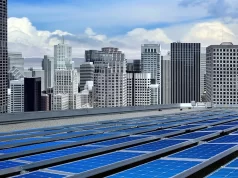
Several design elements combine to deliver new-build efficiency advantages. High-performance insulation in cavity walls, lofts and floors prevents heat escaping through building fabric. Airtight construction eliminates draughts that force heating systems to work harder maintaining comfortable temperatures. Modern condensing boilers extract additional heat from exhaust gases that older systems waste, whilst low-carbon alternatives like air-source heat pumps provide warmth using minimal electricity. Solar photovoltaic panels generate free electricity that offsets grid consumption, particularly valuable as energy prices remain elevated. Energy-efficient windows with low-emissivity coatings and argon-filled double glazing reduce thermal loss whilst maintaining natural light. Request specification sheets, EPC certificates and performance guarantees from developers when exploring new homes; make sure that properties meet claimed efficiency standards through verifiable documentation.
- Future Standards, Incentives and What They Mean for Buyers
The planned Future Homes Standard aims to reduce carbon emissions from new homes by 75-80% through improved insulation, better airtightness and widespread adoption of low-carbon heating systems. Industry reports suggest implementation delays and specification uncertainty, creating variation between developments completed at different times. Buyers purchasing properties built under newer standards may benefit from even greater long-term savings as regulations tighten, though initial purchase prices might reflect enhanced construction costs. Understanding which standards apply to specific developments helps buyers assess likely running costs accurately.
Energy-efficient new builds deliver substantial bill savings through superior construction, modern heating systems and advanced insulation. Examining EPCs, understanding key efficiency features and considering future regulatory standards enables informed decisions that reduce long-term housing costs.