
Solar panels for buildings in the UK rarely arrive with a sense of drama. They appear quietly, often scaffolded into place over a few days, leaving behind a roof that looks only slightly different from before. Yet the decision to install them is rarely casual. It is shaped by energy bills that no longer behave predictably, by conversations with neighbours, and by a growing sense that buildings are expected to do more than simply shelter the people inside them.
For many owners, the first encounter with solar energy is a spreadsheet. Kilowatt hours, payback periods, export tariffs. The numbers matter, but they never tell the full story. A south-facing roof on a 1930s semi behaves very differently from a flat commercial roof above a logistics unit. PV systems respond to light, angle, shading, and season, and UK weather has a habit of ignoring neat assumptions. The promise of solar panels for buildings in the UK lies not in perfection, but in consistency.
Planning considerations often arrive earlier than expected. In most cases, solar panels fall under permitted development, but listed buildings and conservation areas complicate matters. Owners sometimes assume rejection is inevitable, only to find local authorities more flexible than expected when installations are discreet. Conversely, modern buildings with complex rooflines can raise structural questions that older, simpler designs avoid. Engineers still matter in this story, even as the technology feels increasingly consumer-friendly.
Cost remains the most common hesitation. Upfront prices have fallen steadily, yet they are still substantial enough to demand confidence. Residential systems typically sit in the low five figures before any storage is added, while commercial installations scale quickly depending on size and load. What has changed is the framing. Solar energy is now discussed less as an ethical gesture and more as infrastructure. It competes with boilers, insulation, and roofing repairs for capital, not with abstract ideas about sustainability.
Energy bills have altered expectations. Many building owners now track usage patterns with an attention once reserved for bank statements. Solar panels make those patterns visible in new ways. Midday generation encourages daytime consumption. Offices adjust cleaning schedules. Warehouses charge equipment during sunlight hours. The building begins to behave differently, nudged by the quiet logic of production and use aligning more closely than before.
Storage has added another layer of decision-making. Batteries promise resilience and greater self-consumption, but they also complicate the financial picture. Some owners embrace them immediately, driven by blackout anxiety or volatile tariffs. Others wait, watching prices fall and technology mature. There is no consensus, only a growing awareness that PV systems are no longer standalone choices but parts of broader energy ecosystems.
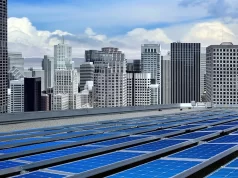
Commercial buildings often tell the clearest story. Flat roofs lend themselves to scale, and predictable usage makes returns easier to model. Supermarkets, distribution centres, and schools have become some of the most enthusiastic adopters of solar panels for buildings in the UK. Their motivations vary. Some chase carbon targets set by boards or councils. Others simply want control over operating costs that have become stubbornly unpredictable.
I once stood on a warehouse roof during an inspection and was struck by how ordinary the panels looked against the grey sky, doing something quietly radical without asking for attention.
Maintenance is less dramatic than many expect. Panels require cleaning occasionally, inspections periodically, and little else. Inverters fail more often than panels, but even those disruptions are usually manageable. The real maintenance challenge is administrative. Meter readings, export agreements, performance monitoring. Solar energy demands attention not because it breaks, but because it produces data that invites scrutiny.
Aesthetic concerns surface more often in residential settings. Some homeowners worry about resale value, others about neighbourhood reaction. These anxieties tend to soften after installation. Panels fade into the visual background quickly, especially as they become more common. What once looked futuristic now reads as practical, almost conservative. The building appears prepared rather than altered.
The policy environment remains a quiet influence. Incentives have waxed and waned over the years, leaving a residue of mistrust among those who remember generous schemes abruptly closing. Today’s support mechanisms are more restrained, more technocratic. Export payments exist, but they rarely drive decisions on their own. Owners assume policies may change again and judge projects on fundamentals rather than promises.
Grid interaction has become a growing topic. As more buildings generate their own electricity, local networks feel the strain. Some areas face delays or conditions on new connections. This has shifted conversations from individual benefit to collective coordination. Solar panels no longer operate in isolation; they participate in systems that require balance and foresight.
There is also a cultural shift underway. Solar energy used to signal environmental alignment. Now it often signals competence. Buildings with PV systems appear better managed, more future-aware. Tenants notice. Investors notice. Even visitors notice, though they may not articulate it. The presence of panels suggests that someone has thought carefully about the long term.
Not every building is suited to solar panels, and pretending otherwise does the technology no favours. Shaded roofs, limited structural capacity, or short occupancy horizons can undermine even well-intentioned projects. The most satisfied owners tend to be those who entered the process with measured expectations, informed by site-specific realities rather than generic optimism.
What continues to surprise is how quickly solar becomes normal once installed. Owners stop checking apps obsessively. Generation figures fade into the background. The system hums along, indifferent to enthusiasm or doubt. Bills arrive lower than before, though rarely as low as imagined. The building adjusts, and life continues.
Solar panels for buildings in the UK are not symbols of transformation so much as tools of adaptation. They respond to pressure rather than ideology, to cost rather than fashion. Their impact is cumulative, spreading across rooftops and years rather than making headlines. The quietness of that change may be their most convincing quality.