Low-carbon construction is usually talked about in terms of energy saving, renewables, and lower emissions. Yes, these things are important. But something is often ignored—material durability. And honestly, this matters a lot.
When materials fail too early, environmental goals are slowly damaged. Costs also go up. This is not always noticed at first. Materials chosen only because they are cheap at the start can later create more carbon, more waste, and more repairs. So durability is not just an engineering issue—it becomes a carbon strategy.
The Hidden Carbon Cost of Material Failure
Every material has a life cycle. When a part breaks early, that life cycle is repeated again. New manufacturing is required. Transport is done again. Sites are disturbed. Waste is produced. All of this adds more emissions.
In low-carbon projects, this is a big problem. A material that needs replacement again and again cancels out the benefits of good design or renewable systems. What looked “cheap” at buying stage becomes expensive—for the planet. Surprising, right?
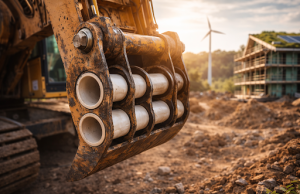
This problem is very visible in high-stress areas. Construction machines, thermal systems, and protective parts face vibration, abrasion, and heavy load. In these places, durability directly affects how often repairs are needed and how much carbon is produced.
Durability as a Sustainability Tool
In sustainable construction, thinking is slowly changing. Instead of asking “What is the cheapest option?”, new questions are being asked:
- How long will this material really last on site?
- What happens if it fails early?
- Can maintenance be delayed safely?
When materials last longer, fewer replacements are needed. That means fewer deliveries, less site work, and less carbon overall. Simple logic, right?
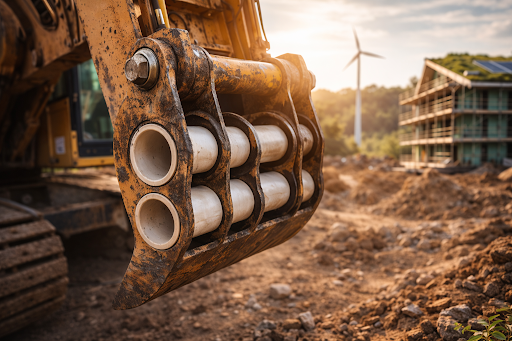
This is why parts like wear-resistant ceramic tubular components for construction machinery are often selected for tough construction machinery jobs. They may not be cheap at first. But they perform under heavy abrasion and load, reducing breakdowns and surprise maintenance. That’s the real value.
Predictability Helps Low-Carbon Goals
Low-carbon buildings depend on systems that behave as expected. When materials fail without warning, schedules are broken. Labour use increases. Emissions go up.
Predictable materials allow maintenance to be planned, not rushed. Resources can be used better. In a construction industry already facing worker shortages and supply issues, this really matters. From a sustainability view, predictability reduces waste and supports longer material life.
Material Choice Is More Than Energy Numbers
Energy efficiency often gets all the attention. But material performance matters just as much. A building can look great on paper but still carry high embodied carbon if materials wear out fast.
This is why sustainable construction increasingly considers materials that maintain stability under heat, mechanical stress, and long-term service conditions. In many projects, this leads to the use of high-performance alumina ceramic materials for low-carbon construction systems, where durability and resistance reduce the likelihood of early failure and repeated intervention.
So sustainability is supported quietly, over time.
Lifecycle Cost and Carbon Go Together
When lifecycle costs are studied, carbon results usually match. Materials that fail often cost more money and create more emissions.
In low-carbon construction, saving money and saving carbon are not enemies. When materials last longer, downtime is reduced, maintenance costs go down, and carbon footprints shrink.
Conclusion
Low-carbon construction is not only about energy use. It is also about how long materials survive and how often they are replaced. Material failure adds hidden carbon and hidden cost, slowly damaging sustainability goals.
By choosing durable materials and thinking long-term, builders can lower embodied carbon, improve reliability, and create truly sustainable projects. In the end, the most sustainable materials are often the ones that simply don’t break.