Across the construction world, a big shift is being pushed. Buildings are no longer designed only for looks or strength. Sustainability is now being demanded. Carbon targets are being tightened. And every single material choice is being questioned. Energy systems get most of the attention, sure. Insulation too. But what about the metalwork? That part is often overlooked, even though it matters a lot.
sheet metal fabrication services are increasingly being relied on to support low-carbon building goals. Through smarter production, reduced waste, and long-lasting performance, fabricated metal components are quietly doing heavy lifting. Is that surprising? Maybe a little.
As climate rules become stricter, precision-engineered metal is being valued more than ever. From façades to inner frameworks, fabricated metal offers efficiency and flexibility, while still keeping sustainability in check.
The Sustainability Benefits of Fabrication
Sheet metal fabrication has always been appreciated for accuracy and strength. But when sustainability is considered, the benefits feel even bigger.
Material efficiency is one of the biggest advantages. Components are cut to exact sizes. Very little waste is produced. And any offcuts? They are often recycled straight back into the system. Less landfill. Less raw material wasted. That’s a win, right?
Durability and longevity also play a major role. Fabricated metal does not break down easily. When treated properly, it can last for decades. Maintenance stays low. Replacements are avoided. Over time, this reduces the overall carbon cost of a building. Small detail, big impact.
Prefabrication potential is another key point. Many parts are produced off-site in controlled factories. This allows cleaner processes and tighter tolerances. On-site work becomes faster. Transport emissions drop. Disruption is reduced. Everything feels more efficient.
Overall, embodied carbon is reduced across the full lifecycle. From manufacturing to installation to long-term use, fabrication helps at every stage.
Applications in Modern Low-Carbon Projects
One reason metal is used so widely is its adaptability. It fits almost anywhere.
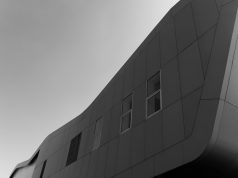
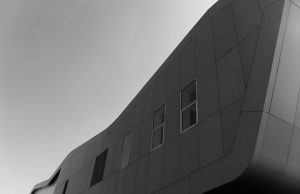
Façade systems like perforated panels and ventilated cladding are commonly used. They don’t just look modern. They also support passive cooling and airflow. Design meets performance here.
Framing and bracketing are often handled with fabricated metal. It’s strong, yet lightweight. Structural loads are reduced. More design freedom is allowed. This is especially helpful in retrofit or modular projects.
Roof and wall cladding made from metal improves weather resistance and durability. Insulation performance can also be enhanced. And yes, it still looks good.
Interior fit-outs are not left out. Staircases, balustrades, ducting, decorative elements—all are commonly fabricated. Form and function are combined without excess material.
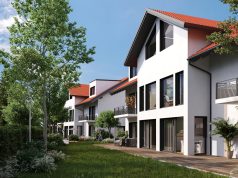
These uses are especially suited for projects with strict environmental standards. Public buildings. Mixed-use developments. Low-carbon housing. The list keeps growing.
Why Local Manufacturing Makes a Difference
Carbon reduction isn’t just about materials. Distance matters too.
When sheet metal fabrication services are sourced locally, several benefits are gained. Transport emissions are reduced. Fewer miles mean less fuel burned. Simple math.
Communication also improves. Local manufacturers respond faster. Adjustments can be made without long delays. Quality control becomes easier. That flexibility really helps on complex builds.
There’s also support for the circular economy. Local suppliers often prioritise recycling and responsible sourcing. This strengthens the entire low-carbon supply chain, not just one project.
And let’s not forget resilience. Local production reduces dependency on fragile global supply chains. Timelines stay realistic. Delays are avoided. Stress levels drop.
Innovation in Metalwork for Sustainable Construction
The built environment is changing fast. Materials must keep up. Methods must improve. Sheet metal fabrication is doing exactly that.
Precision is being delivered. Performance is being improved. Environmental impact is being lowered. All at once.
For architects and builders who want to cut carbon without losing quality or creativity, fabricated metal offers a practical solution. It scales well. It performs well. And it lasts.
With reliable, locally based sheet metal fabrication services, modern construction projects can meet both technical demands and environmental expectations. That balance is no longer optional. It’s required.