You can almost miss the metal. That’s the thing—these aren’t dramatic structures calling attention to themselves. No soaring futuristic towers or eco-utopian flourishes. Just solid, modern buildings that happen to reflect the sun a little more efficiently, retain heat a little more smartly, and stand up longer to the elements than many of their predecessors.
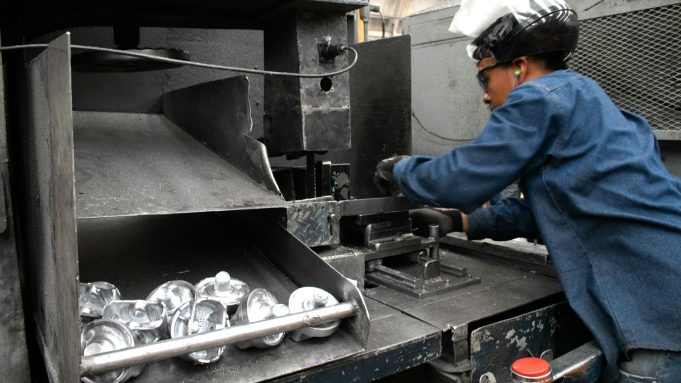
Aluminium die casting has quietly moved from industrial utility to architectural asset. Its real superpower isn’t strength, though that’s part of it. It’s longevity. It’s the idea that a building element might last 40 years instead of 15, and that when it finally does come down, its core material can be reborn with almost no loss in quality. Unlike concrete, which cracks and sheds dust, or timber, which swells and warps, aluminium just waits, unchanged, until it’s needed again.
That characteristic—recyclability without compromise—has made metals central to sustainability thinking in construction. A frame made of cast aluminium doesn’t just reduce maintenance; it reduces the pressure to extract more material. It slows down the cycle of destruction and replacement. In a sector that accounts for 38% of global carbon emissions, slowing anything down is a win.
But it’s not just about materials—it’s also about what they do. New coatings developed over the past five years allow metal panels to reflect solar radiation while maintaining internal temperatures. One design I saw in northern Europe used a smart-skin aluminium façade that adjusted reflectivity based on the angle of the sun. Not a gimmick. Just a smart adaptation that cut cooling costs by nearly a third during peak summer.
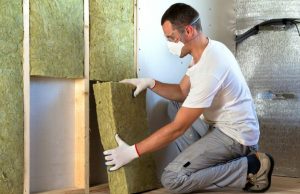
Some architects are experimenting with advanced metal cladding systems that double as insulation, using integrated air channels to enhance thermal performance. Others are focusing on roofing, where metals like zinc and coated steel can not only reflect heat but also direct rainwater with minimal runoff damage. These may sound like small adjustments—but in the aggregate, they shift a building’s footprint meaningfully.
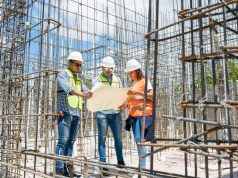
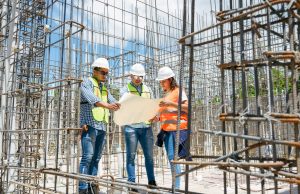
At a project site in the outskirts of Copenhagen, I stood beside a contractor explaining why his team had ditched traditional concrete panels for an alloy-based support system. “It cost more up front,” he admitted, “but we don’t touch it for two decades. No patching, no rust. And we recycle 100% of it when the time comes.”
That stuck with me.
In the United States, newer builds in Denver and Austin have adopted similar strategies, not only for their energy-saving potential but also for their alignment with green building certifications like LEED and WELL. The numbers speak for themselves—lowered operating costs, reduced emissions, and compliance with environmental standards that are only getting stricter.
Even in hot, dry climates where traditional insulation would seem a safer bet, some firms are switching to high-performance metal solutions. The appeal? Heat resistance and durability that doesn’t degrade with time. No mold, no splintering. Just consistent performance through decades of seasonal cycles.
Of course, metals aren’t a silver bullet. Mining has its own environmental consequences. But when you can use the same core material multiple times across generations, the equation changes. Life cycle thinking replaces single-use logic.
That shift is what’s really happening here. Not a flash-in-the-pan green innovation, but a slow recalibration of what building materials are supposed to do—and how long they’re supposed to do it. The best metal solutions don’t shout about sustainability. They just stay where they are, quietly doing the work.