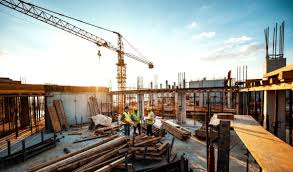
On a wet site visit outside Birmingham a project manager once picked up two bricks and told me they looked identical but one carried nearly twice the carbon cost of the other before it even reached the pallet The difference was not strength or price but heat and fuel used in manufacturing That moment tends to stay with people who follow construction closely because it reframes the argument entirely The real climate story of a building often starts long before the lights are switched on
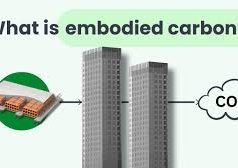
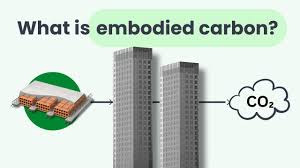
Embodied carbon is the hidden ledger It counts the emissions from extraction processing transport and assembly of materials Steel cement glass insulation and finishes all arrive with a carbon history already attached For decades the industry focused on operational energy such as heating cooling and lighting That was easier to see and easier to regulate Now that buildings are getting more efficient in use the upfront material emissions stand out more sharply sometimes accounting for nearly half of total lifecycle impact
Concrete still dominates most urban skylines and infrastructure and it remains a stubborn problem Cement production demands very high kiln temperatures and releases carbon directly through chemical reaction Even experienced contractors admit that low carbon concrete mixes were once treated as risky experiments Today they are specified in major projects with blended cements recycled aggregates and alternative binders The mixes behave slightly differently They cure on their own schedule They reward patience more than speed
Timber has moved from niche to serious contender Cross laminated timber and other engineered wood products are now used for schools offices and mid rise housing These products store carbon rather than emit it during production and when sourced from well managed forests they can reset the carbon math of a structure I have noticed that architects talk about timber buildings with a different tone almost protective as if the material deserves good design rather than brute force
There is also a wave of interest in materials that used to be dismissed as too simple Earth blocks hemp based composites straw panels and lime plasters are returning with updated testing and certification They are not suitable for every climate or every building type but they challenge the idea that progress only comes from more complex chemistry Some of the most promising samples I have handled felt unexpectedly light and that alone changes how a wall system gets designed
Steel and aluminum are not disappearing but their supply chains are under pressure Recycled content is now a headline figure not a footnote Electric arc furnaces powered by cleaner grids are changing the emissions profile of structural steel Clients who once asked only about strength ratings now ask about recycled percentage and mill energy source Procurement teams have started to treat carbon data sheets as seriously as safety data sheets
Manufacturers have responded with environmental product declarations that read like nutrition labels for materials They list global warming potential resource use and other metrics in standardized formats This has introduced a new kind of transparency and also a new kind of confusion because not every designer is trained to interpret them correctly Some early comparisons were misleading simply because system boundaries differed A wall panel measured from cradle to gate will never match one measured from cradle to grave
Sustainable construction materials are no longer just about what something is made from but how far it travels Local sourcing has gained fresh relevance Transport emissions can quietly erase gains made in cleaner production A recycled product shipped across continents may carry more carbon than a regional conventional one That has pushed some developers to map supply radiuses and rebuild relationships with nearby producers
Cost remains the tension point Low carbon options sometimes carry a premium especially at small scale Yet several quantity surveyors told me the gap narrows when projects account for carbon taxes planning incentives and brand value Tenants and buyers increasingly ask what a building is made from not just how it looks Green credentials have moved from marketing brochure to lease negotiation
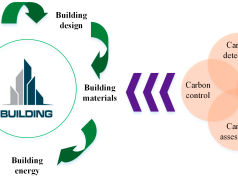
Digital tools are accelerating the shift Design teams now run whole building carbon models alongside cost plans Early stage choices about grid spacing slab thickness and facade systems can be tested in hours rather than weeks That changes behavior When feedback is immediate teams are more willing to explore alternatives instead of defaulting to standard details
There is also a cultural adjustment happening on sites Crews used to working with familiar materials need training for new systems Different fastening methods different moisture behavior different sequencing Mistakes happen when low carbon materials are treated exactly like their high carbon predecessors The best performing projects tend to include mockups and trial assemblies rather than blind rollout
Regulators in the UK and parts of Europe are tightening reporting rules and setting carbon targets for public projects This creates predictable demand which in turn gives manufacturers confidence to invest in cleaner production lines Markets rarely move on virtue alone They move on signals and contracts
What strikes me most is how quickly the conversation has matured from vague sustainability talk to specific material choices and measurable carbon numbers
Clients now ask not just how the building will perform but what it will be made of and what it cost the atmosphere before opening day The answers are getting more detailed and more honest and that may be the most durable material change of all