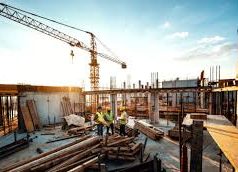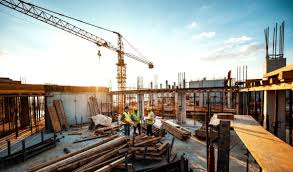
Walk past a construction site early in the morning and you can almost taste the dust in the air wet concrete cut stone warm diesel from idling machines The story most people see is noise disruption and eventually a finished building What they do not see is the carbon already spent before the lights are ever switched on
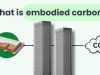
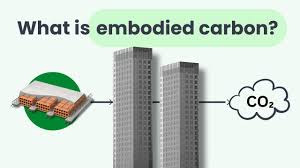
Embodied carbon is the sum of emissions tied to materials and construction processes across the full lifecycle emissions of a project It includes quarrying aggregates firing bricks smelting steel transporting beams pouring slabs replacing façades and eventually demolition and disposal It is front loaded climate impact paid in advance and locked into the structure
For years the industry conversation focused mostly on operational energy Better boilers tighter insulation smarter controls Those still matter But engineers now admit something a bit uncomfortable In many new efficient buildings the embodied share can rival or even exceed the operational share across several decades Especially when glass heavy steel framed designs are involved
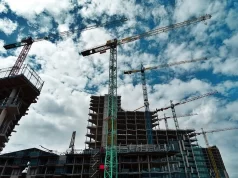
I once stood near a city center site where three tower cranes were moving almost continuously and a project manager joked that each lift was like a small carbon invoice being signed in the air
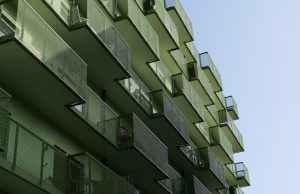
Concrete remains the biggest contributor by volume It is everywhere foundations cores floors and frames The chemistry is the problem Cement production releases carbon directly through the kiln process even before fuel use is counted Steel follows close behind with energy hungry furnaces and global supply chains Aluminum and glass add their own heavy footprints despite their clean finished look
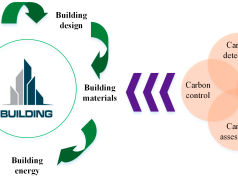
Lifecycle emissions accounting tries to map all of this stage by stage From raw material extraction to manufacturing transport installation maintenance replacement and end of life treatment The spreadsheets can run for hundreds of lines and still feel incomplete Data quality varies Environmental product declarations help but they are not universal and sometimes read like marketing brochures with footnotes
In the UK the pressure to measure embodied carbon construction UK projects is no longer theoretical Planning authorities ask for whole lifecycle assessments on major developments Some clients now set carbon budgets alongside financial budgets Designers are learning that a structural choice is also a climate choice A thicker slab or longer span is not just an engineering decision but an emissions decision
This has changed early design meetings in subtle ways Architects who once led with form and space now sit beside carbon consultants from day one Material swaps happen earlier Timber instead of steel where possible Supplementary cementitious materials blended into concrete Reclaimed elements considered rather than automatically specified new The drawing board has turned into a carbon negotiation table
There is also a cultural shift on site Procurement teams ask where products come from how far they travel and what fuel moves them A supplier located two hundred kilometers closer can suddenly look more attractive than a slightly cheaper distant option Reuse yards that once felt niche now receive serious visits from tier one contractors looking for structural sections with a past life
Not every solution is simple Timber reduces embodied carbon in many cases but raises questions about fire regulation insurance and long term durability Low carbon concrete mixes can behave differently and require careful curing Sourcing reused components demands storage space testing and flexible design tolerances The greener option is often the more complicated one
Developers sometimes worry that carbon accounting will slow projects or inflate costs Yet several cost consultants quietly note that carbon efficiency often overlaps with material efficiency Use less stuff and both numbers improve Leaner structures smarter grids and adaptable interiors tend to save money as well as emissions though not always on the same line item
There is also the awkward matter of timing Embodied carbon is released now while operational savings arrive slowly over decades That mismatch makes financing and policy tricky A building can be future efficient yet climate expensive on day one Lifecycle emissions thinking forces uncomfortable comparisons between short term impact and long term benefit
Digital tools are getting better at making the invisible visible Modern modeling software can attach carbon factors to objects inside a building model Change a wall type and the emissions total shifts almost instantly This immediacy changes behavior Designers respond faster when consequences are visible rather than buried in a late report
Contractors tell stories of late stage redesigns where a facade system was swapped after the carbon numbers came in too high Trucks were already booked Shop drawings were underway The change caused friction but also signaled that carbon had become a decision driver rather than a public relations footnote
Clients too are learning the language They ask about lifecycle emissions in boardrooms not just sustainability workshops Some set internal carbon prices to test options A design that looks cheaper in pounds can look expensive when carbon is priced alongside it The math changes the mood of the room
There is still a gap between ambition and routine practice Many smaller projects do not measure embodied carbon at all Data remains patchy Assumptions fill holes Results can vary widely depending on methodology But the direction of travel is clear Measure first then reduce then compare
The strange thing is how quickly this once obscure term has become site conversation Embodied carbon used to live in academic papers and specialist conferences Now it shows up in contractor briefings client tenders and toolbox talks The language of lifecycle emissions has moved from the margins into the daily grammar of construction and it is not leaving anytime soon