In 2025, an unprecedented transformation is being experienced by the industry, where automation, sustainability and changing customer expectations are driving everything forward. From the cars that are being driven to the buildings where work is being done, sheet metal components are being used as the hidden backbone. With the global market already valued at £340 billion and projected to reach £442 billion by 2035, an understanding of current trends is being seen as crucial. Businesses are being pushed to stay competitive… quite fast, isn’t it?
Evolution of Fabrication Technology
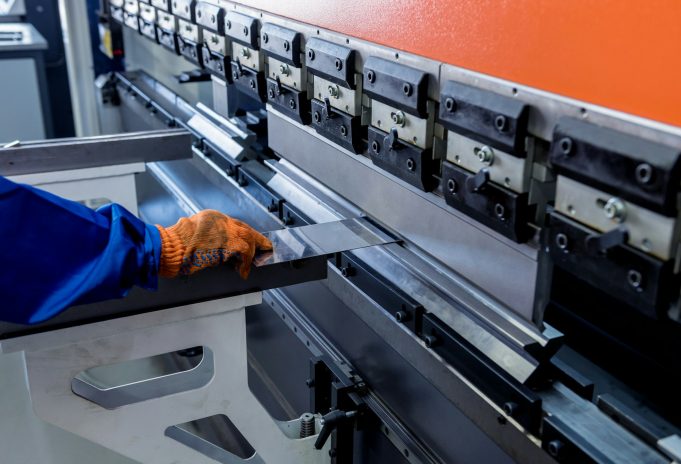
Automation is increasingly being used for cutting, bending, forming, and assembly. Production challenges are being solved faster, since automated systems are delivering large volumes of repetitive work with impressive precision. Human errors are being reduced and efficiency is being improved. One may ask: has the factory floor ever looked so futuristic?
Advanced Laser Cutting Capabilities
Next-generation laser cutters are being equipped with powerful fibre lasers to cut thicker, complex materials. Enhanced beam control and adaptive optics are being used to give clean and precise cuts with very little waste. A big benefit is being felt by industries like electronics, medical devices, and aerospace, where tight tolerances are not negotiable at all.
Custom, low-volume production runs are being supported quite easily. Bespoke specifications are being allowed without huge cost penalties — amazing for fast projects where deadlines are very tight.
Smart Robotics and AI Integration
Smart robotics are being used to monitor machines and collect data in real time. AI systems are continuously observing cutting, bending, and forming, and potential quality issues are being detected before they turn into big problems. Wasted material is being reduced across the whole cycle.
The sophistication of sheet metal fabrication today is being recognised as far beyond what was possible just five years ago. Robotic welding systems are being refined to offer speed and consistency especially in high-volume environments where uniform quality is really important.
Sustainability Takes Centre Stage
Environmental responsibility is now being treated not just as compliance, but as a competitive edge. Over 60% of manufacturers are making investment in carbon-neutral production and energy-efficient processes. It is being done due to customers, investors, and also regulators — all at same time!
Practical Sustainability Initiatives
More sustainable manufacturing methods are being adopted. Energy-efficient equipment is being used and scrap metal is being recycled. Low-emission welding techniques are becoming standard practice, so companies can meet rules and attract clients focused on sustainability.
Renewable energy sources like wind and solar are being used to power machinery, reducing the carbon footprint. Advanced nesting software is being applied to optimise material usage, saving costs and also reducing waste. Win-win, right?
Material Innovation and Diversification
Traditional materials like steel and aluminium are still dominating, but in 2025 more advanced alloys and composites are being embraced. Titanium alloys and magnesium are becoming popular due to strength-to-weight advantages.
Strategic Material Selection
Demand for steel services, worth £3.7 billion, is growing at 4% every year. Aluminium demand is rising too, especially in automotive and aerospace where lightweighting is vital. This dual growth is showing a need for old strength and new efficiency at the same time. Interesting balance.
High-strength aluminium alloys are being used where weight reduction is needed. Stainless steel is being chosen for corrosion resistance in food and medical environments. Titanium sheets are being applied in high-performance applications where strength-to-weight ratio is everything.
Industry Applications Driving Growth
Automotive and Transportation Leadership
Around 40% of sheet demand is being taken by the automotive sector. Electric vehicles are creating new needs for lightweight, high-strength components. Battery weight must be offset, so modern fabrication is being used to keep vehicles efficient and safe at the same time.
Construction and Infrastructure Development
The construction sector is representing over 34% of sheet metal demand. Modernisation, sustainable building practices and urbanisation trends are driving this. Government investment in renewable energy and smart city projects is generating opportunities for specialised capabilities.
Sheet metal’s durability and recyclability are being relied on. It performs well in bad weather, resisting moisture and corrosion.
Aerospace and Defence Requirements
Aerospace applications are requiring lightweight, precise components where every gram is measured and tolerances are tiny. Defence spending is supporting demand for specialised fabrication under strict standards. No room for mistakes here!
Customisation and Flexibility
Fabrication needs are now going far beyond standard shapes. Tailored solutions are being asked for by clients. The industry is embracing digital prototyping, modular tooling, and on-demand production.
CNC machining and CAD-integrated workflows are helping fabricators produce custom components at scale — very useful in medical devices and electronics where precision is everything. Digital twins and simulations are visualising performance before anything is built, reducing development costs and time. Smart, right?
Frequently Asked Questions
What makes sheet metal fabrication so essential?
It is being seen as essential because it gives versatile and cost-effective solutions for making precise parts in almost every sector. Complex shapes can be formed from flat sheets. It works for high-volume production and also for one-off custom parts.
How has automation changed sheet metal fabrication?
Automation has completely changed the process. Machines are working 24/7 with stable quality, faster turnaround, and high capacity. Robotic arms, laser cutters and CNC presses are operating with very little human input, reducing errors and cutting labour cost. Market changes can be handled fast, and precise tolerances are being kept easily.
What sustainability practices are being adopted?
Recycled materials, renewable power, energy-efficient equipment, advanced nesting software, and low-emission welding techniques are being used. Many companies are working towards carbon-neutral production because both environment and competition are demanding it.
Which industries rely the most?
Automotive is around 40%, construction is 34%, and aerospace, defence and machinery take the rest. Electric vehicles are pushing strong growth because lightweight components are needed. Construction needs durability and weather resistance, while aerospace needs strength-to-weight advantages.
How to choose the right fabrication partner?
Partners should be evaluated for technology, material expertise, quality certifications, capacity, turnaround, and sustainability practices. Samples should be requested, communication should be noticed, and willingness to collaborate on design optimisation should be checked.
Conclusion
In 2025, sheet metal fabrication is being recognised as a modern, technology-driven industry far away from its old industrial beginnings. Automation, advanced materials and sustainability are being used to create precise components with strong performance.
Success now requires not only metalworking skills but also investment in technology, environmental responsibility, and flexibility for both mass production and bespoke custom work. As AI, robotics, and new materials continue evolving, companies who embrace innovation while keeping quality and sustainability will lead.
Whether components are being sourced for electric vehicles, sustainable buildings or aerospace development, projects are being strengthened by partners who understand these trends and have the capabilities to execute them. The future of manufacturing is increasingly being shaped by the evolution of sheet metal fabrication, and it becomes essential for any organisation involved in physical product development.