Historic England‘s Archive in Swindon is the subject of a decarbonisation project, as the organisation works to reduce the carbon impact of one of the country’s most substantial repositories of built-environment records. The Historic England Archive decarbonisation programme places a heritage institution’s operational carbon squarely in the spotlight, at a moment when the sector is under growing pressure to align with LETI targets and RIBA Sustainable Outcomes guidance.
A site with deep industrial roots
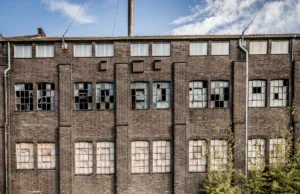
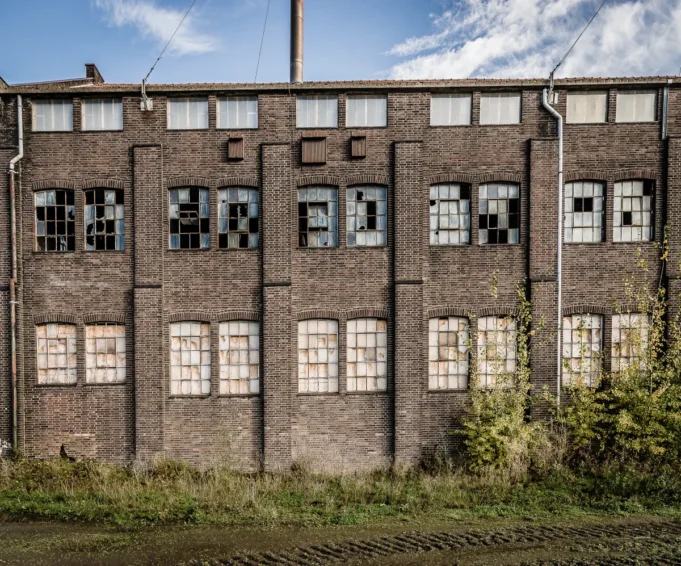
The Swindon archive occupies a corner of a town whose industrial identity was forged in the railway age. According to Born Again Swindonian, the Works that once defined the town closed in 1986, leaving behind a vast post-industrial footprint that has since been adapted and reused in various forms. The archive building sits within this broader context of repurposed industrial heritage, making its decarbonisation not only an operational challenge but a question of how heritage organisations steward their own built assets over the long term.
Retrofitting buildings of this character for low-carbon performance is rarely straightforward. Fabric-first approaches must be balanced against conservation requirements, and the archive’s function, maintaining stable environmental conditions for irreplaceable photographic and documentary records, means that HVAC and humidity-control loads are substantially higher than in a standard office or cultural venue. Reducing that operational carbon demand without compromising the archive’s preservation environment is the core technical challenge the project must resolve.
Historic England Archive decarbonisation: the retrofit challenge
Archive and collection-care buildings occupy a difficult position in the decarbonisation landscape. Environmental set-points for archival storage typically demand year-round temperature and relative-humidity stability, which in practice means continuous mechanical conditioning regardless of the external climate. That sustained energy demand makes the building typology one of the harder categories to decarbonise through passive measures alone.
Approaches under consideration in projects of this type generally include upgrading building fabric to reduce uncontrolled infiltration, switching fossil-fuel plant to heat-pump-based systems, and integrating on-site renewables where the roof geometry and planning context allow. Any heating-system replacement will need to demonstrate that the low-flow-temperature output of a heat pump is compatible with the existing terminal units, or factor in distribution upgrades as part of the works. Embodied carbon from those replacement components must be counted alongside operational savings if the project is to present a credible whole-life carbon case.
For a heritage body such as Historic England, there is also a reputational dimension. Demonstrating that a public organisation responsible for advising on the conservation of England’s historic environment can deliver substantive carbon reduction in its own estate strengthens the credibility of the guidance it issues to others. The Swindon archive is a working facility, not a listed showpiece, which in some respects makes it a more instructive test case: the retrofit decisions taken here are closer to the choices facing the broad stock of mid-twentieth-century institutional buildings across the country.
Swindon itself has been navigating its post-industrial identity for decades, and the archive’s presence in the town connects the built-environment profession’s record-keeping to a place that has had to reinvent itself repeatedly since the railway era ended. The Historic England Archive decarbonisation work is therefore as much about the future obligations of heritage stewardship as it is about plant replacement.
Further details of the project scope, including any BREEAM or EnerPHit performance targets, programme milestones, and the design team appointments, remain behind a subscription barrier at the Architects’ Journal. The Swindon Borough Council planning portal may carry associated applications as the project progresses through formal consenting stages.