Most sustainability conversations start with solar panels. Or heat pumps. Or triple-glazed windows.
Rarely do they start with radiators.
That’s a mistake. Because how a building distributes heat matters just as much as where that heat comes from — and the right heating solutions can quietly make or break a home’s long-term performance.
Here’s the thing: some of the most effective options aren’t new at all.
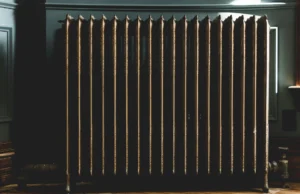
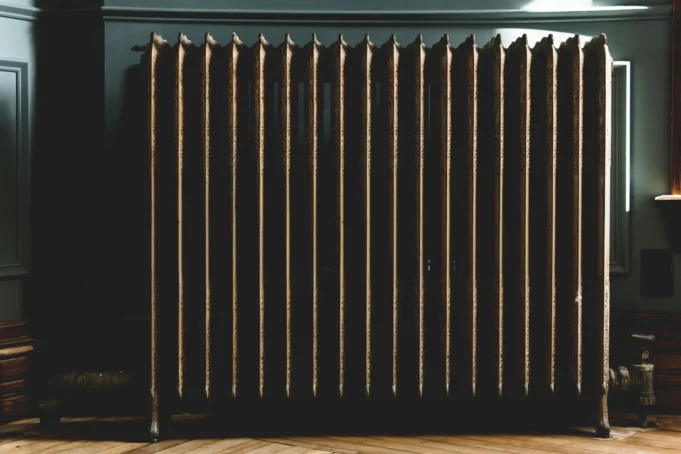
Cast Iron Radiators have been around for over a century. And right now, they’re having a quiet comeback — not for nostalgic reasons, but practical ones.
Distribution Is the Overlooked Half of Efficiency
Everyone obsesses over the energy source. The boiler. The heat pump. The renewable tariff.
But once heat is generated, it still needs to travel through your home efficiently. A poorly matched distribution system can waste that energy before it ever reaches an occupant.
Good heating solutions should do a few things consistently: deliver stable temperatures across a property, reduce unnecessary cycling, support long-term performance without constant maintenance, and — this one gets ignored — last long enough to justify their environmental cost to manufacture.
That last point matters more than most people realize.
The Thermal Mass Argument
Picture a cast iron radiator running in a Victorian sitting room. The boiler cuts out. But the room stays warm for another 20, 30, 40 minutes.
That’s thermal mass doing its job.
Materials with high heat-retention capacity absorb energy slowly and release it slowly. Concrete floors do this. Brick walls do this. So does cast iron — and that characteristic directly reduces temperature swings, which means occupants stop cranking thermostats to compensate for drafts and cold patches.
The result? More even comfort. Less energy chased unnecessarily.
Longevity Is a Sustainability Metric
Something the construction industry is finally starting to acknowledge: embodied carbon matters.
Manufacturing a radiator requires energy. So does shipping it, installing it, and — eventually — replacing it. A product that lasts 15 years and a product that lasts 80 years are not equivalent from an environmental standpoint, even if their operational specs look similar on paper.
Cast Iron Radiators routinely outlive the buildings they’re installed in. Some examples still functioning today were cast before World War I. That kind of lifespan changes the lifecycle calculus entirely — less manufacturing demand, less landfill waste, fewer replacement cycles eating up resources and transport emissions.
The catch? Initial cost is higher. But spread over 60+ years of service, the maths tend to look quite different.
Heritage Buildings Have No Easy Alternatives
Solid walls. Original cornicing. Listed status. Strict planning restrictions.
Older properties present real constraints for retrofit projects — and the wrong heating upgrade can cause as many problems as it solves. Sealed systems in poorly ventilated historic buildings create moisture issues. Removing period radiators to fit modern panel heaters can strip rooms of their character without meaningfully improving performance.
Architects working on sympathetic retrofits increasingly specify heating solutions that complement original architecture rather than fight it. Period-appropriate radiators that still perform to modern standards let designers improve thermal comfort without compromising what makes a property worth preserving in the first place.
Craftsmanship and Customisation Are Part of This Story
No two rooms are identical. Heat loss calculations vary. Ceiling heights vary. Pipe configurations vary. Period styles vary even within a single property.
That’s why bespoke matters here.
Paladin Radiators, based in Lincolnshire, hand-builds and finishes its products using dedicated casting facilities and in-house production. The focus is on quality control, tailored sizing, custom finishes, and durability — the kind of manufacturing approach that produces something repairable and replaceable by component rather than disposable as a unit.
That’s not just about aesthetics. It’s about building products designed for decades of service rather than a single replacement cycle.
So Where Does This Leave Modern Builds?
Interesting question.
Contemporary homes don’t obviously need cast iron anything. They’re often well-insulated, air-tight, lower-temperature systems. And yet — there’s growing demand for Cast Iron Radiators in new builds too, particularly where designers are working with warmer water temperatures or pursuing a distinctive aesthetic that standard panel radiators can’t match.
The broader point is this: sustainable heating solutions aren’t just about what’s newest. They’re about what performs reliably, lasts genuinely, and contributes to a building’s long-term quality rather than its short-term efficiency rating.
Those goals and traditional craftsmanship? Turns out they’re not in conflict at all.