Concrete isn’t going anywhere. And honestly? That’s fine — because sustainable concrete solutions are quietly changing what that actually means for the planet.
The construction industry has a carbon problem. Buildings account for a staggering share of global emissions, and traditional cement production sits near the top of the offender list. But the material itself isn’t the issue. How it’s made, sourced, and used — that’s where the real story is.
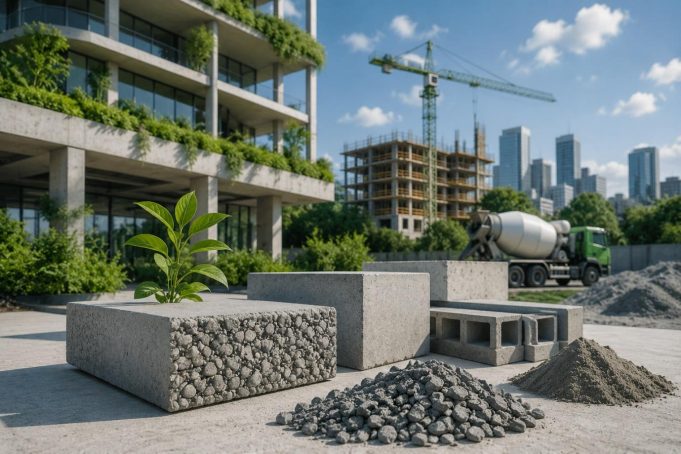
Here’s where it gets interesting: modern concrete mixes are increasingly built around alternative inputs like fly ash, slag, and recycled aggregates. These substitutes cut the amount of cement needed without sacrificing structural strength. Less cement means fewer emissions. Straightforward math, but the industry took decades to act on it.
Thermal mass is another angle most people overlook. Concrete absorbs heat during the day and releases it slowly at night, which means buildings naturally regulate their indoor temperature without leaning so hard on heating and cooling systems. For developers chasing energy efficiency ratings, that’s not a minor detail — it’s a built-in advantage.
Durability matters too, maybe more than anything. A structure that lasts 80 years instead of 40 isn’t just good engineering; it’s an environmental decision. Fewer rebuilds, fewer repairs, less material consumed over time. Sustainable concrete solutions deliver that longevity while also hitting lower-carbon targets — which used to feel like competing goals.
Waste is the other quiet win. Accurate batching and controlled delivery mean projects only order what they need. Excess concrete heading to landfill is a solvable problem, and smarter supply chains are solving it. Recycled concrete and reclaimed aggregate are showing up more on job sites too, closing the loop on materials that would’ve been discarded a decade ago.
Architecturally, none of this comes at a cost to creativity. Concrete can be cast, pressed, textured, and finished in ways few other materials allow — meaning sustainable choices don’t force architects into boring ones.
Then there’s sourcing. Locally supplied materials cut transport emissions before the first bag is even mixed. Working with established Concrete Suppliers means consistent quality, shorter supply chains, and fewer carbon miles on every delivery.
The catch? The most exciting developments are still emerging. Carbon capture during cement production. Self-healing concrete that repairs micro-cracks on its own. Ultra-low-carbon cement alternatives that barely resemble what the industry used 30 years ago. These aren’t science fiction anymore — they’re in active development and, in some cases, already in use.
So what does this all add up to?
Sustainable concrete solutions won’t solve climate change on their own. No single material will. But concrete is too deeply embedded in how we build to ignore — and the fact that it’s genuinely improving is worth paying attention to. The developers, architects, and Concrete Suppliers pushing these changes aren’t doing it for press releases. They’re doing it because the alternatives are worse.