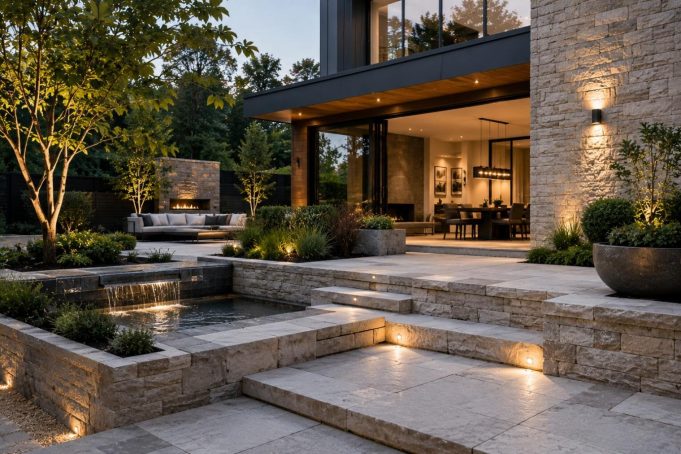
Natural stone doesn’t go out of style. It never really has. While design trends come and go, natural stone keeps showing up in the world’s most admired homes, commercial spaces, and public projects — and for good reason. It looks incredible, lasts forever, and somehow manages to feel both timeless and completely current.
For homeowners and architects working with suppliers like Stone Art UK, the appeal goes well beyond aesthetics. This is a material that pulls real weight.
The Look Nobody Gets Tired Of
Here’s the thing about manufactured materials: they date themselves. What looked sharp in 2010 can feel stale by 2020. Natural stone sidesteps that entirely. The variation in tone, texture, and grain means no two installations look exactly alike — and that organic quality is something no factory process can fully replicate.
Patios, pathways, wall cladding, feature areas — stone adds depth to all of it. Instantly.
Outdoor Living, Done Right
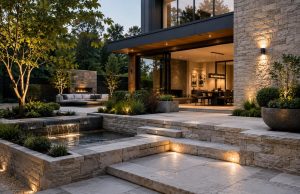
Modern garden and terrace design is obsessed with one idea: blur the line between inside and outside. Natural stone is practically built for this. Its refined-yet-organic look sits comfortably in both contexts, which is why you’ll find it running from interior flooring straight out onto a terrace without missing a beat.
It pairs naturally with plants, water features, and open sky. No clash. No visual noise.
Stone paving and steps also bring structure to outdoor spaces that can otherwise feel unplanned — giving entertainment areas a sense of intention without looking stiff or overly formal.
Built to Last. Seriously.
Some materials look great on day one and slowly disappoint you for the next decade. Natural stone isn’t one of them. It handles heavy foot traffic, harsh weather, and years of exposure without losing integrity or appearance.
That’s not a small thing for a developer or homeowner weighing long-term costs. You’re not replacing it. You’re not patching it every few years. You buy it once, install it well, and move on.
Playing Well With Contemporary Architecture
Minimalist design can feel cold if handled without care. Natural stone solves that. Drop it alongside glass, steel, or poured concrete and suddenly the composition breathes — the warmth of stone balancing the hardness of industrial materials in a way that feels considered.
Architects love it for this reason. It also comes in a range of finishes and cuts, so the design outcomes can be highly specific without sacrificing that natural character.
Maintenance? Minimal.
Routine cleaning. Occasional sealing. That’s mostly it. Compare that to decking that rots, composite materials that fade, or artificial stone that chips at the edges — and the value proposition becomes obvious pretty fast.
For commercial properties especially, low maintenance isn’t a nice-to-have. It’s the whole point.
What It Does to Property Value
Buyers notice quality. A well-laid natural stone patio or driveway signals something — craftsmanship, longevity, taste. It differentiates a property in ways that are hard to fake and easy to recognize.
The kerb appeal argument alone is worth taking seriously if a sale is anywhere on the horizon.
A Sustainability Angle Worth Mentioning
Natural stone requires relatively little processing compared to most manufactured alternatives. It’s pulled from the earth, shaped, and installed — no complex chemical treatments, no heavy industrial transformation. And because it lasts so long, replacement cycles are rare. Less waste. Fewer resources consumed over time. That matters more now than it used to.
Where It Works
The application list is long: garden pathways, driveways, courtyards, exterior cladding, water features, indoor flooring, feature walls. Residential or commercial — natural stone adapts to the brief.
That versatility is part of why it remains a go-to material across such a wide range of project types.
The Bottom Line
Some materials are trends. Natural stone is just… good. It performs, it ages well, it looks right in almost any context, and it adds genuine value to the properties it’s part of.
The question isn’t whether it belongs in modern design. It’s whether you’re using it well.