Most people chasing sustainable living focus on solar panels and triple-glazed windows. Fair enough. But there’s a quieter conversation happening — one about what actually happens after the heat is generated.
Heating solutions don’t get nearly enough credit in the sustainability debate. The energy source matters, sure. But how you distribute that heat? That’s where comfort and efficiency either come together or fall apart.
Here’s the thing: some of the best answers to modern building challenges aren’t new at all.
The Thermal Mass Argument
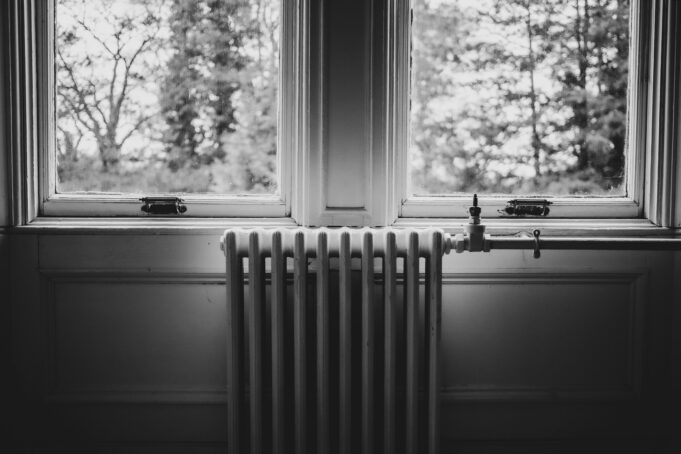
Cast Iron Radiators have been making a comeback — and not just in Victorian terrace renovations.
Their appeal comes down to physics. Cast iron holds heat. It absorbs energy slowly, then releases it gradually long after your boiler has cycled off. The result? Rooms that stay warm instead of swinging between stuffy and cold every 20 minutes.
Modern panel radiators heat quickly. Cool quickly too. For some homes, that’s fine. But in spaces occupied throughout the day — living rooms, home offices, open kitchens — steady, ambient warmth tends to feel better and waste less energy overall.
Not exactly a new discovery. But worth remembering.
Why Lifespan Changes the Sustainability Calculation
Here’s where it gets interesting: operational energy isn’t the only metric that matters.
Every time a building component gets replaced, there’s a carbon cost attached — manufacturing, transport, disposal. A radiator that lasts 80 years uses those resources once. One replaced every 15 to 20 years uses them four or five times over.
Cast Iron Radiators address this directly. They’re repairable, not disposable. Sections can be replaced individually. Finishes can be restored. The core unit keeps going.
That matters — especially as circular economy principles push architects and homeowners to think about whole-life value rather than just purchase price.
Heritage Buildings and the Retrofit Problem
Listed properties are a particular headache. Solid walls, original features, planning restrictions — the usual toolkit of heat pumps and cavity wall insulation often won’t work or isn’t permitted.
So architects end up threading a needle: improve thermal performance without compromising historical character. Inappropriate upgrades create moisture problems. Ripping out period features destroys what made the building worth preserving in the first place.
Heating solutions that genuinely complement traditional architecture — rather than clash with it — end up being far more than an aesthetic choice. They’re part of a coherent retrofit strategy.
Cast iron fits here naturally. It was designed for these buildings. It still looks right in them.
Bespoke Over Standard
No two properties are identical.
Room sizes vary. Heat demands vary. Ceiling heights, pipe configurations, architectural styles — all different. The idea that one standard panel size solves every situation was always a bit optimistic.
Manufacturers offering genuinely bespoke options — custom sizing, tailored finishes, specific column configurations — give designers real flexibility. Paladin Radiators, for instance, hand-builds and finishes its products in Lincolnshire, maintaining traditional casting facilities and in-house craftsmanship. That kind of control over specification means a radiator can actually be sized for its room rather than shoehorned in.
The result is usually better performance and a much better fit with the building’s character.
What to Actually Think About Before Buying
A few questions worth asking before specifying radiators:
- How consistently is the room occupied? Steady heat output suits all-day spaces; fast response matters more for rooms used intermittently.
- Has a proper heat-loss calculation been done? Guessing output requirements creates uncomfortable rooms and wasted energy.
- Does the radiator visually belong in the space? This sounds superficial. It isn’t — homeowners who hate how something looks tend to remove it.
- What are the long-term maintenance expectations? Repairability should factor into the decision, not just upfront cost.
Taking a whole-life view here usually leads somewhere better than hunting for the cheapest option.
The Bigger Picture
Innovation and tradition aren’t opposites.
The most thoughtful low-carbon buildings tend to combine genuinely new technology with genuinely old principles — thermal mass, durable materials, repairable construction, quality craftsmanship. The obsession with novelty sometimes obscures how well some older approaches actually work.
Cast Iron Radiators sit squarely in this category. They’re effective heating solutions that happen to be beautiful, built to last decades (or longer), and increasingly relevant to how we’re thinking about sustainable construction.
That’s not nostalgia. That’s just a good answer to the right question.