
Home Construction Steel Purlins and Sustainable Construction: A Smarter Build for Low-Carbon Projects
Steel Purlins and Sustainable Construction: A Smarter Build for Low-Carbon Projects
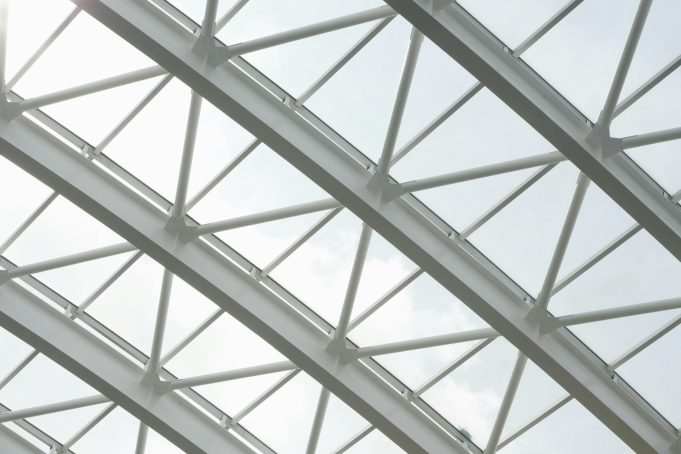
Steel purlins don’t get nearly enough credit. They sit quietly inside roofs and walls, holding everything together — and yet most people couldn’t pick one out of a lineup. But for anyone serious about sustainable construction, steel purlins deserve a closer look. Here’s the thing: the shift toward low-carbon building isn’t just about solar panels and green roofs. It’s about the bones of a structure. The framework. And that’s exactly where steel purlins come in. Manufactured through cold-rolling processes, they offer a strength-to-weight ratio that timber simply can’t match. Less material. More strength. And when the project’s done, fully recyclable — which matters enormously in an industry trying to shrink its carbon footprint. What actually makes them useful? The most obvious application is roofing. Steel purlins form the structural backbone that holds insulation and roofing materials in place — protecting against the worst weather while improving thermal performance. Better insulation means lower heating bills. Lower heating bills mean lower emissions over the building’s life. Simple chain, real results. But roofing’s just the start. These components are increasingly showing up in wall systems, mezzanine floors, and light industrial units. Their ability to carry large spans creates open-plan spaces without columns interrupting the middle of a room. That flexibility is genuinely useful for commercial projects needing adaptable layouts. The catch? Most people don’t think about them until something goes wrong. And by then, the design decisions have already been made. Retrofitting — the underrated win Here’s where it gets interesting: steel purlins aren’t just for new builds. Upgrading older structures with modern steel components can dramatically boost structural safety while cutting the carbon cost of a full demolition-and-rebuild. Think about a warehouse from the 1970s with aging timber roof supports. Replacing that framework with precision-engineered steel — without tearing the whole building down — preserves the existing structure, cuts waste, and brings the building up to current standards. That’s a genuinely circular approach. And it’s one that more architects and contractors should be pushing for. Where the industry is heading Manufacturing processes for cold-rolled steel have come a long way. High-strength, low-alloyed steel now produces purlins with a lower embodied carbon than earlier generations — meaning the environmental cost starts reducing before the building even opens its doors. As regulations tighten (and they will), the demand for materials that can demonstrate both performance and environmental credentials will grow fast. Steel purlins already tick both boxes. They’re adaptable across climates, suited to modular construction methods, and compatible with renewable energy integration — particularly useful when buildings need to carry solar installations on the roof. Will they stay behind the scenes forever? Probably. But the best building components usually do. The construction sector’s push toward genuinely sustainable design needs materials that work quietly and brilliantly. Steel purlins — unglamorous as they are — fit that description almost perfectly.