In modern architecture, façades are not only used to shape how a building looks, but they are also used to show what it stands for. Values are being communicated through them — interesting, right? More and more, the outer layer of buildings is being seen as a place where design ideas and environmental responsibility are brought together. And in this ongoing shift, a material that has been used for a very long time is being noticed again: bespoke ceramic façade tiles.
Today, solutions that balance beauty and environmental performance are being searched by architects, developers, and designers. Ceramic is being seen as a strong option for this purpose. Not just because it looks good, but also because natural eco benefits are offered by it. So why are Bespoke ceramic façades becoming more popular now? That question is being asked quite often. This article tries to explore that.
Rediscovering Ceramic: An Ancient Material for Contemporary Façades
Ceramic has been known as one of the oldest building materials used by humans. For centuries, it has been applied in pottery, bricks, roofing, and decorative works. Its durability and natural beauty have always been appreciated. But now, new technologies have changed things a bit. More design options are being created through modern manufacturing and creative techniques.
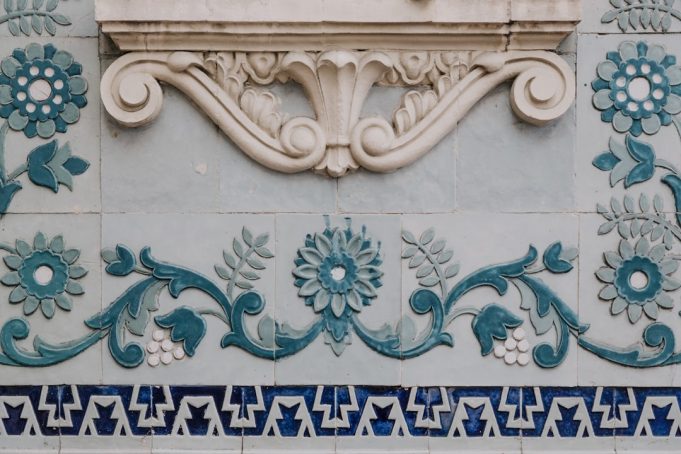
Today, ceramic tiles can be designed in large sizes, complex shapes, and even fully customised systems. These are not simple ready-made items anymore — they are becoming bespoke elements made specially for each project. The rhythm, size, and personality of a building can now be matched more precisely. Quite cool, honestly.
Another interesting thing is how ceramic changes over time. Instead of getting worse, it often develops a richer look. That’s kinda surprising, no? Because of this durability, replacement is not needed often. Repainting or refinishing is also reduced. So, the overall environmental impact across time becomes lower. In a way, long life itself becomes sustainability.
Craftsmanship and Design: Sustainability with Architectural Expression
When Sustainability is combined with design freedom, something more powerful is created. Not just function, but beauty too. For example, large fluted ceramic tiles can be used to create strong visual effects. Light is caught and reflected by their vertical shapes throughout the day. Because of this, façades are made to look different as time changes — very dynamic feel!
Light and shadow interact on the surface, and depth and movement are added. A sculptural effect is often created on walls. Traditional craft ideas are still being used, but in a modern way. That mix feels quite unique, doesn’t it?
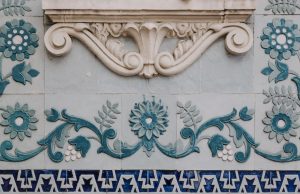
With bespoke ceramic façade tiles, a very high level of detail can be achieved. Each tile is able to be customised in size, texture, and finish. This allows the building’s design vision to be followed more closely. Even small-scale patterns and modular layouts can be created, opening new creative paths. The flexibility is honestly huge.
Sustainability in Practice: Evaluating the Environmental Performance of Ceramic Façades
The word “Sustainability” is used a lot these days. But what does it actually mean here? It is usually defined by how much environmental impact is reduced during a material’s full life. This includes raw material use, production, installation, use, and even disposal at the end. Sounds like a lot to consider, right?
- Low Embodied Carbon
- Ceramic is mainly made from natural clay. It is fired at high temperatures to become strong and stable. These materials are easily available in nature, and newer technologies are making production cleaner. In some cases, renewable energy is even being used. That’s a good step forward.
- Zero VOCs and Inert Surface Chemistry
- During production, glazes are fused into the tile body. Because of this, a stable surface is formed. No harmful gases are released during or after installation. No off-gassing, no chemical leaking — which is honestly a big plus.
- Longevity That Reduces Lifecycle Impact
- Durability is a key idea in sustainable design. Materials that need frequent fixing or replacing create more waste. But ceramic façades can last for many decades without losing colour or shape. Some systems even perform well for 50 years or more. That’s kinda impressive, right?
- End-of-Life Recyclability
- When the building’s life ends, ceramic materials don’t just become waste. They can be crushed and reused in other materials. This supports circular economy ideas and reduces landfill waste. So, reuse is made possible.
Performance in the Real World: Climate, Weather, and Resilience
Sustainability is not only about numbers. It is also about how materials behave in real conditions. Weather, climate, and environmental stress all play a role. If a material fails early, then sustainability is kinda lost.
Ceramic façade systems are known to perform well in such conditions. Several natural properties are present in them that support long-term use.
Thermal Stability
Ceramic does not get damaged easily by sunlight. It resists UV radiation and stays stable even after long exposure. Some glazed surfaces can even reflect heat, helping reduce heat gain inside buildings. That helps with energy efficiency too.
Moisture Resistance
Once ceramic is fired and glazed, it becomes almost non-porous. Water cannot easily enter it. This makes it very suitable for outdoor use where rain and humidity are common. The building stays protected.
Fire Performance
Ceramic is non-combustible by nature. It does not catch fire easily. In cities where safety rules are strict, this becomes a major benefit. Safety is always important, obviously.
Pollution Resistance
Stains and pollutants do not stick easily to ceramic surfaces. Because of this, cleaning needs are reduced. Harsh chemicals are not required often. Maintenance becomes easier — which is always nice.
A Material That Tells a Story
Sustainability is not only about data or performance. It is also about meaning and story. Bespoke ceramic façades can tell multiple stories at once. Stories of place, since the material comes from earth. Stories of craft, because skilled work is involved. And stories of responsibility, because long-lasting materials are chosen.
For architects and designers, this storytelling aspect is very valuable. It adds emotional depth to buildings. And honestly, people do notice these things.
Bringing It Together: Beauty Is a Form of Sustainability
Sustainability is often explained in technical words, but it is also something that can be felt. A building that ages well, looks strong, and fits its environment gives a sense of lasting quality. That feeling matters too.
With bespoke ceramic façade tiles, this balance is being achieved. Design and function are being combined in a natural way. Material choice becomes design choice. And Sustainability is not treated as an extra feature, but as a core idea. Sounds like the future of architecture, maybe?