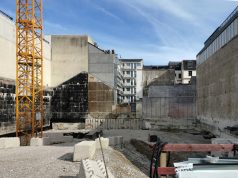

Construction waste significantly impacts the environment, affecting ecosystems and depleting resources. Implementing waste reduction strategies is essential for sustainable building practices. By focusing on innovative approaches, the construction industry can substantially reduce its environmental footprint.
Construction activities generate a large amount of waste, which contributes to environmental degradation and resource depletion. The industry’s rapid growth has increased the urgency for effective waste management solutions. As you consider building projects, it’s important to integrate sustainable practices to mitigate environmental impacts. The concept of Liverpool skip hire often comes into play when discussing solutions to construction waste challenges. Emphasising waste reduction in your projects aligns with global sustainability goals and reflects an industry commitment to responsible development.
Innovative methods for reducing construction waste
To effectively minimise construction waste, adopting innovative strategies is essential. Prefabrication reduces waste by allowing components to be manufactured offsite with precision. This method not only cuts down on material wastage but also enhances construction efficiency. Additionally, employing digital tools like Building Information Modelling (BIM) allows for accurate project planning and material estimation, significantly reducing excess material use.
Various industry initiatives highlight successful waste reduction efforts. Some companies have implemented systems where materials are reused or recycled within the same project. This approach not only minimises waste but also lowers costs and conserves resources. By sharing these practices and learning from successful projects, you can contribute to a broader industry shift towards sustainable building practices.
The impact of recycling on reducing construction waste
Recycling plays a crucial role in reducing construction waste, transforming what would be landfill-bound into valuable resources. Implementing recycling programmes onsite encourages the segregation of materials such as concrete, metals, and wood for reuse or repurposing. This process not only conserves natural resources but also reduces the energy consumption associated with producing new materials.
Advanced recycling technologies further enhance these efforts by efficiently processing various materials. Techniques such as crushing concrete for aggregate or melting metals for reuse showcase how technology can elevate recycling initiatives. As these technologies become more accessible, integrating them into your construction projects will bolster your commitment to sustainability.
Incorporating waste management into building design plans
Planning for waste management at the design phase is critical in achieving sustainability goals in construction. By anticipating potential waste generation and incorporating strategies to mitigate it from the outset, you set a strong foundation for a green project. Design elements such as modular layouts or adaptable spaces can significantly reduce material usage and wastage during both construction and renovation phases.
The design phase also offers an opportunity to specify materials that are easily recyclable or have a lower environmental impact. Selecting sustainable materials not only contributes to reducing construction waste but also aligns with evolving regulatory standards aimed at promoting eco-friendly building practices.